
Heated Rivalry and the Appeal of Boundary-Pushing Queer Media
Critics and fans alike have tried to explain why Crave's breakout hit Heated Rivalry became such a breakout hit - at its peak, it was the second most globally in-demand show, higher than any Canadian series since 2020. Part of the answer is simple: it's great content, genuinely fun to watch, and adapted from popular source material (Rachel Reid’s Game Changers book series). But I'd argue there's something else happening. It feels groundbreaking to see a gay hockey romance onscreen.
There are many pieces of queer media that have, on some level, shown something new onscreen, but far fewer that give viewers the palpable feeling of watching something groundbreaking. Some examples of the latter include 2000s releases like Brokeback Mountain (2005), Queer As Folk (2000-2005), The L Word (2004-2009), and some more contemporary projects like Tangerine (2015), Moonlight (2016), and Pose (2018-2021). All of these shows and films showed versions of queerness that were relatively new to mainstream media, but that’s too simple of an explanation. Audiences like novelty, even in love stories, but novelty alone doesn’t explain why these titles all resonated and became breakout hits. They felt groundbreaking—and that feeling, I'd argue, stems from how genuinely subversive they were.
Simply embodying LGBTQ+ identities openly has been subversive for a long time. Seeing any queer love, joy, and aspiration expressed openly in a mainstream film or television show in the 2000s was exciting and compelling for many viewers – even if it was mostly restricted to White, cisgender, and gay or lesbian characters. Queer As Folk aired the first gay sex scene between men on American television on December 3rd, 2000, showing casual sex that was often joyful instead of tragic or wrong. The show’s groundbreaking nature was obvious from the start – it even drew heavy criticism from gay men who were worried that showing a promiscuous version of gay culture would hinder gay rights movements – but foreshadowing Heated Rivalry, the show also quickly garnered a large fandom among straight women.

Image credit: Showtime, 2000
As cultural acceptance of queerness grew in the U.S. in the 2000s and 2010s, onscreen queer lives got more inclusive. Viewers got to see queer and trans people of color experience joy, work through challenges, and fall in love in a way that again felt exciting. But again, it wasn’t just novel representation that brought that excitement. These shows and films felt groundbreaking – they centered queerness existing and persisting on the front lines of queerphobia. In the 2000s, showing gay sex, love, and joy felt radical because homophobia was so prevalent in mainstream culture. In the 2010s, as homophobia receded from the mainstream, the front lines became queerphobia against people of color, especially transphobia, and the shows that went there often succeeded.
Why do audiences respond to queer content that feels subversive? For context, queerness has historically been defined by its opposition to mainstream culture. But since social acceptance of gay people increased, especially after same-sex marriage was legalized in 2015, gay culture has occupied an awkward foothold in mainstream culture. Having embraced the “love is love” narrative in pursuit of marriage equality, gayness – and especially White, cisgender gayness – doesn’t necessarily feel subversive anymore. In some ways, being openly gay in contemporary U.S. culture (or at least in liberal spaces) does not automatically feel “queer” anymore.
But Heated Rivalry finds the queerness in being gay by locating itself at the front lines of homophobia. Within the context of men’s hockey – a heteronormative or sometimes even homophobic subculture – Heated Rivalry finds a version of being gay that is authentically subversive. In doing this, it follows in the footsteps of other subversive queer media that became cultural phenomena, including the previously mentioned Queer As Folk. It is also a spiritual successor to Brokeback Mountain, which came years after Will & Grace (1998-2006), but made queer love groundbreaking by locating the story within a cowboy culture where it was forbidden. But queer media does not have to engage with queerphobia directly to be subversive. Schitt’s Creek (2015-2020) broke new ground by showing us a version of queer life in a small town that was sweet and supported – and directly defied expectations of homophobia and queer tragedy at every opportunity. The appeal of groundbreaking queer media isn’t just confined to film and television, either: artist Lil Nas X made being Black and gay groundbreaking in the late 2010’s and early 2020’s by boldly embracing those identities in the heteronormative subcultures of country music and rap, respectively – launching him to fame and commercial success. On the other hand, the movie Bros (2022), despite its status as the first gay rom-com from a major studio, could not really generate the same excitement by telling a story of gay love in a liberal part of New York City. The absence of proverbial queerness limited the impact of an otherwise-solid movie. Meanwhile, by showing queer sex and love within hockey culture, Heated Rivalry drove interest in the same way that other subversive queer media has. Despite the loud detractors, many Americans across demographics support queer people and want to see queer media that pushes boundaries.
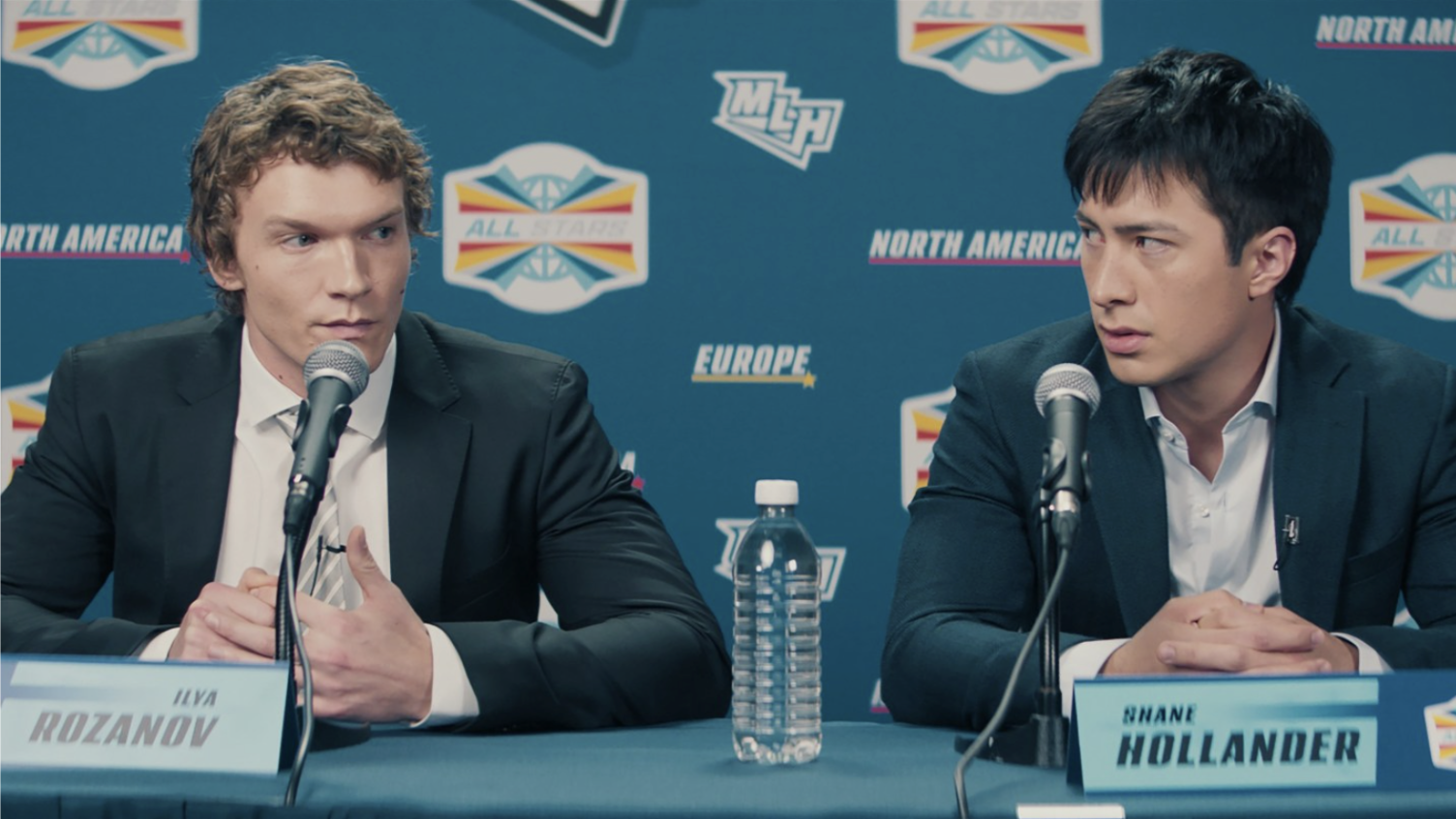
Crave, 2025
Pushing queer culture of all kinds into spaces where it’s not traditionally welcome can not only generate compelling stories, but it can help push queer acceptance forward. The coming out of a former professional hockey player inspired by Heated Rivalry and the number of private messages closeted athletes have sent to the stars of Heated Rivalry and to the author of Game Changers all speaks to the power of pushing into new spaces. Even the real-life commissioner of the National Hockey League watched and recommended the show. Centering a story of queer, masculine men in hockey culture can open doors to attitude change around queerness and around the masculinity that holds queerness back. Seeing masculine hockey players who are driven by their feelings, yearning for and eventually loving each other, pushes boundaries of masculinity. In the story, the bravest thing they do is not perform under pressure and win “the cup,” but rather openly express romantic feelings in a hockey culture that assumes queer love is impossible. There are also more subtle ways in which the show pushes boundaries through specificities of intersectional identity. Showing a biracial White-Asian, Canadian gay man and a bisexual Russian immigrant falling in love and finding joy in their queerness – and focusing more on them than the White, American couple Scott Hunter and Kip Grady – adds measurably to the boundary-pushing nature of the show.
To the studios and creatives out there, I would suggest taking this lesson away from Heated Rivalry. Find the front lines of many different types of queerness – including intersectional queerness – and you’ll find compelling stories that excite and energize viewers across demographics. But if you do, and I hope you do, there are two other key things I ask you to note:
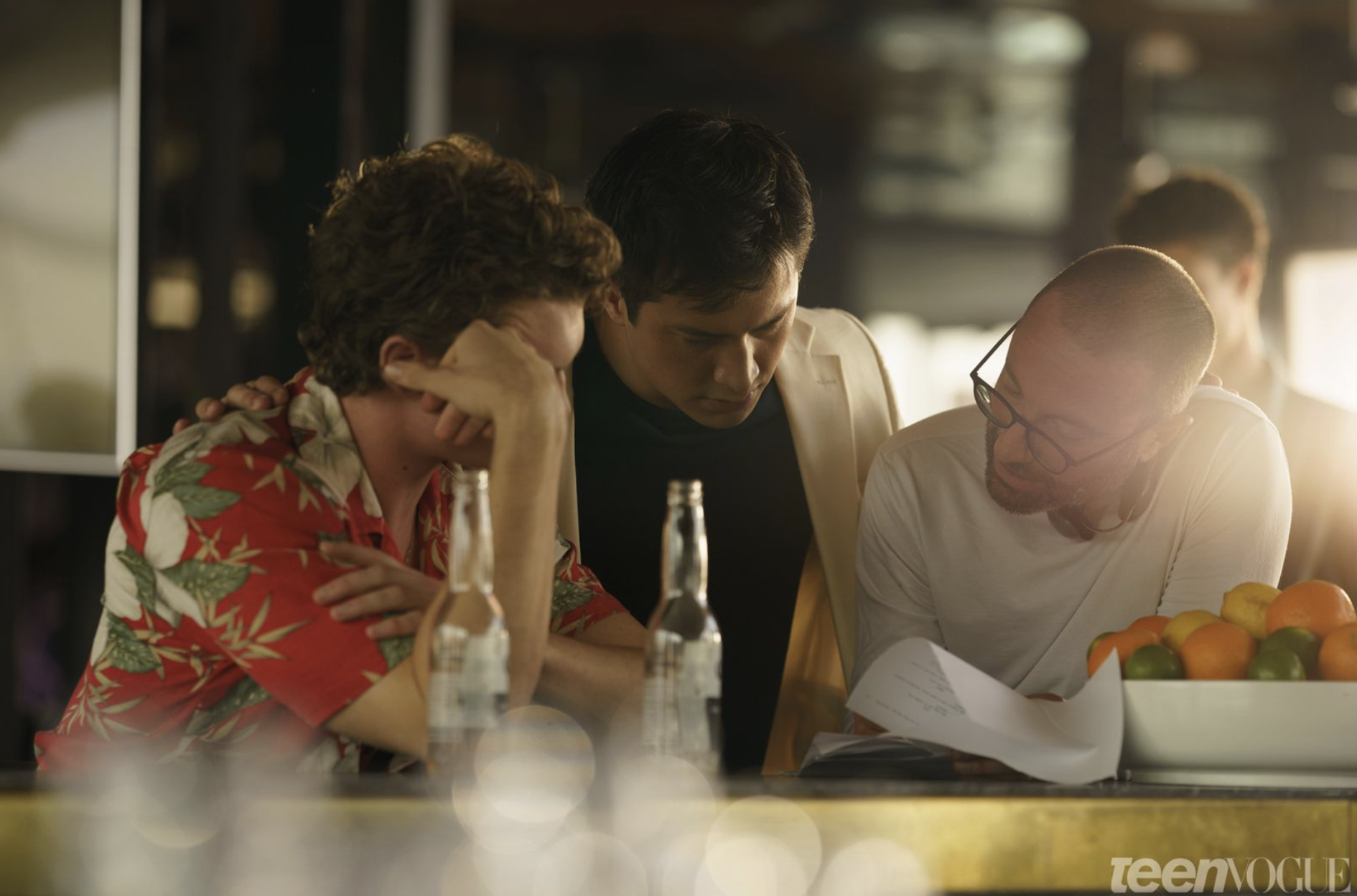
Teen Vogue, 2025
1. Make sure the project is led by people who understand and embrace the core viewership.
Heated Rivalry seems to never forget that it’s an adaptation of a gay hockey romance. It tries to faithfully represent that by sticking mostly to the source material, including committing to showing sex scenes onscreen. The main characters consistently react in a way that feels true to their characters in the books, and as a result, many fans of the books have embraced the small adaptation changes as improvements from the book. The show even leans into romance novel culture by providing fun little easter eggs for hawk-eyed fans, like the humorously suggestive hockey team logos. The lack of studio notes is apparent – Heated Rivalry was allowed to follow the formula perfected by the romance industry, even when it differs from the norms of mainstream television. Speaking about Crave’s head of development, Rachel Goldstein-Couto, creator-director Jacob Tiernay said, “Rachel at Crave really had this kind of innate understanding that this book works for this audience, and this audience is shockingly big. And if you start fucking with it, you’re going to alienate your baked-in audience, and you run the risk of making a show for absolutely nobody.” The show knows that its most committed fans are the Game Changers readers and it takes pains to do right by them.
Heated Rivalry also doesn’t overlook its LGBTQ+ viewership. It peppers in story, visual, and audio cues that help LGBTQ+ viewers know that the show is for them, including the sensuality of the sex scenes. It repeatedly shows main characters in a gay bar or at the gym. The musical score even peppers in club tracks at key moments in the story. And of course, a gay love story that starts with sex and grows into more feels authentic to many LGBTQ+ viewers. The importance of that authenticity cannot be understated: representation that feels more authentic tends to drive viewership.
None of this happened by accident; it was all built into the production process because show creator Jacob Tiernay is himself a Game Changers fan and a gay man, so he can understand both demographics better than someone who isn’t. And Crave committed to his vision. As recent research from the Center for Scholars & Storytellers shows, choosing diverse creative teams to tell diverse stories isn’t enough for good representation – producers and studios need to trust and empower those creatives. Committing to Tiernay’s creative vision, like Crave did, makes it more likely that the adaptation and representation of gay culture, while not necessarily perfect, feel authentic.
For a full list of insights on how to achieve truly authentic, inclusive representation, read the AIR Roadmap Report from the Center for Scholars & Storytellers at UCLA here.
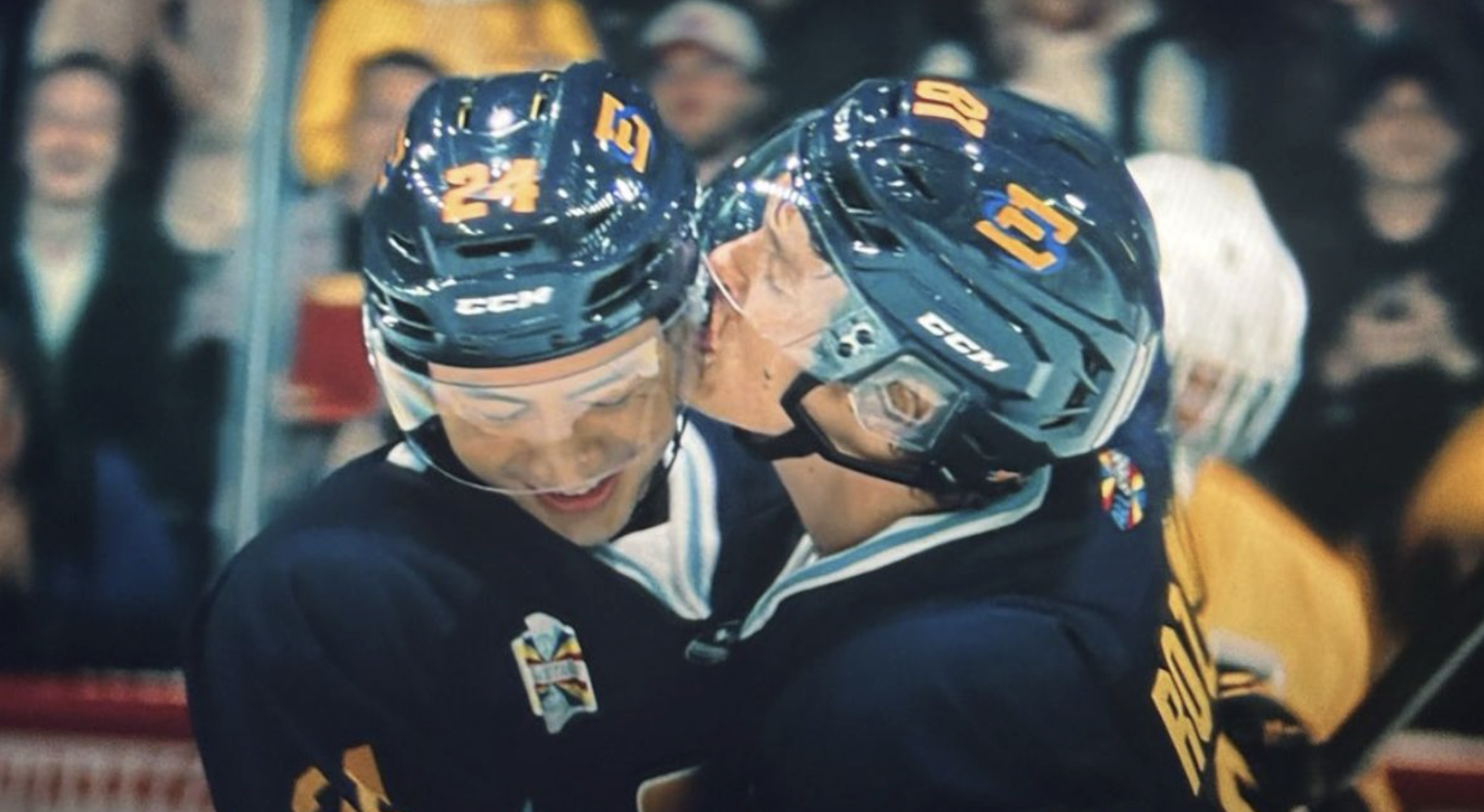
Crave, 2025.
2. Resist the temptation to exclusively tell coming out stories.
Queer people are not defined by their coming out stories. It might feel natural to focus on coming out and other transition narratives, especially when telling queer stories that take place on the front lines of queerphobia. But transition narratives are just a small part of queer lives, and there are many other, often more interesting, parts.
On its face, Heated Rivalry might seem like a coming out narrative, but coming out is not the central conflict or storyline of the show. The story consistently centers the main characters’ queerness and queer love within the context of hockey’s heteronormative culture, rather than their coming out. It’s true that the climax of the season, in episode 5, is a kiss shared by Scott and Kip that acts as a public coming out for Scott. But the show makes the creative decision to foreground Shane and Ilya’s reactions to the coming out and how it ultimately pushes them to reach another stage in their relationship, rather than focusing on Scott and the public reaction to him. For many fans of the book series, it was a controversial decision to relegate the events of the first book of Game Changers to episode 3 and the climax of episode 5, and instead focus on the second book, but I think that was part of what makes the show great. It’s not a coming out story, but rather a story of a queer relationship that grows despite an unfriendly environment – and the payoff that happens when queer people feel empowered and embrace the relationship. A classic coming out narrative would ultimately focus on the reactions of the people around the queer character(s), but this show keeps the focus on the queer characters. Even Shane’s coming out to his parents is really a means to show the strength of his relationship with Ilya. This choice is part of what makes the show feel authentic and joyful. Coming out stories are important, but by focusing on the queer relationships and lives instead, you can tell more varied, empowering, and queer-centered stories.
Heated Rivalry's success offers a clear lesson: queer stories don't need to blend in to find wide audiences—they need to locate themselves where queerness still feels subversive. The show found that place in hockey culture, but there are countless other spaces where queer joy, love, and perspectives remain genuinely transgressive. The front lines are everywhere, if you're willing to look. Studios and creatives who find them—and who trust queer storytellers to lead the way—will find audiences eager to follow.