
The Power of Stories: The Importance of Black History and Storytelling
Stories, a word defined by Merriam Webster's Dictionary to mean, “A tale or account or narration of events, histories, or circumstances shared from one individual to another or multiple.”
Stories are what connect us, providing wisdom from our past and guidance toward a future we have yet to see. Stories are often used to inform society of the perspectives or experiences of certain individuals or communities that without these stories would never be known. This is one of the pioneering reasons for Black History Month, the month dedicated to telling the untold stories of Black America and the individuals who helped to shape the future we all live in today. Often our stories have been left out of the books, fallen on deaf ears, or reduced to fictitious tales of whimsical or horrific grandeur. This month gives an opportunity for the Black and African American community to find healing, inspiration, and innovation.
We see the crisis and trauma our ancestors navigated, and at the same time, see the greatness they were still able to achieve. It helps us demand accountability for the crimes committed against them, and the knowledge to build systems that no longer enable these crimes, instilling an unwavering desire for healing and liberation. A quote that a panelist shared at UCLA’s Center for Scholars and Storytellers summit last year has resided with me. Shared during a panel discussing Black Storytelling in media, Dr. Raquel Martin exclaimed how movies are “Stories our bodies can no longer hold on to” and act as a form of healing and release, while ensuring that release doesn’t result in the loss of our stories. To many indigenous cultures around the world, storytelling is an essential part of their traditions. It’s how they’ve shared their practices both communally and spiritually, building their future generations up with the knowledge and power embedded in these tales. This is why organizations like CSS are so vital; they provide space for those who need their stories heard, to be curated and developed into media that is shared intentionally, in order to impact communities and the world in socially progressive manners, inclusive of all.
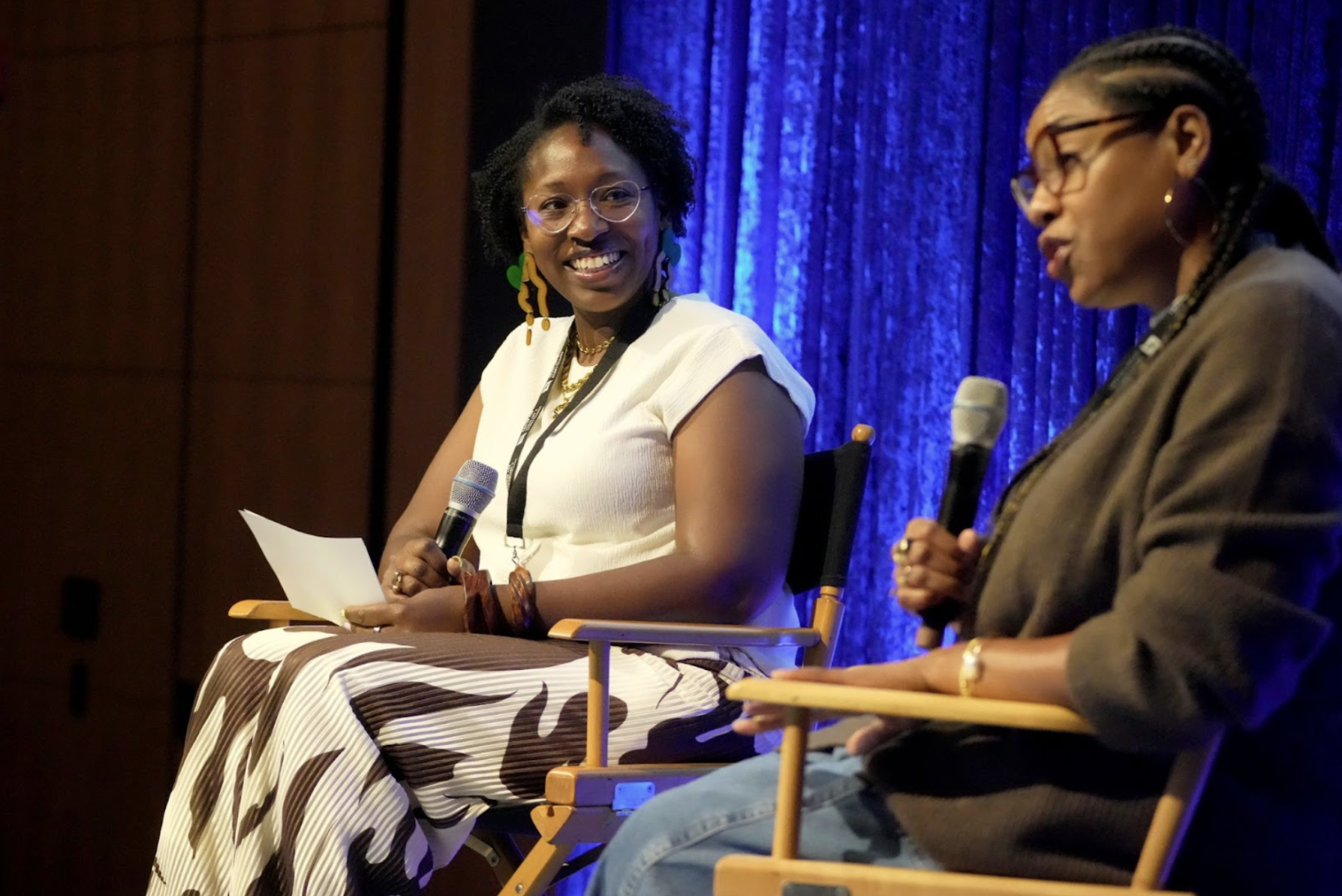
Dr. Raquel Martin and Jamila Hunter at the 2025 Teens and Screens Summit
Their focus on young people and youth is especially important, as it ensures that not only are diverse communities represented, but that they are also relevant and empowering to the youth who will build our collective futures. They help to empower Youth to speak truth to power, and reflect the ever changing beliefs, ideals, and practices of the next generation. Where older generations may struggle to grow, young people are eager, recognizing their own role in the greater society, and the needs that may extend outside of them. Youth are ready for a world they were promised, but have yet to trust will be afforded to them, but not just them, all people. A memory that speaks to this comes to mind, and takes place during a time I was playing Fortnite, and the game mode I was in had a local chat feature on. While in the lobby, a couple of younger individuals, about 9 or 10 years old, were going back and forth and throwing playful jabs. For context in the game one wears different “skins” which is just another term for characters. One of them had a black character on, and in the playful jousting their peer called them a “monkey”.
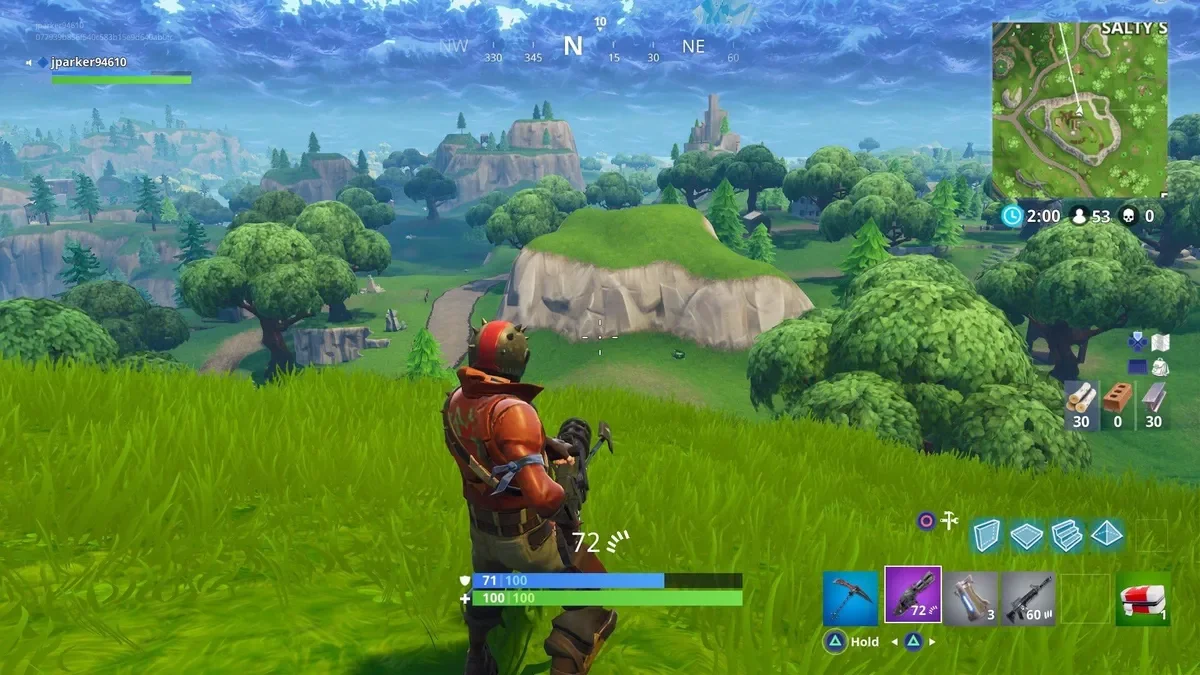
For those unaware, this is a term commonly used by racists to dehumanize black people, and regard us as animalistic, as we’ve seen done in current events by high-profile individuals towards the Obamas. Returning to the memory, the youth who had the black character immediately corrected their peers stating, “Hey you actually can’t say that because my character is Black, and that’s racist!” to which the other young person immediately replied, “Oh you’re right, I’m so sorry.” Another young individual tried to tell them that was incorrect, but I promptly re-affirmed the previous young person’s statement and that they are correct in their assertion that the term was racist. They went on to play, but what that moment showed me is that the stories of my community were having an impact, society was changing, and the youth were the ones spearheading this change. Displaying a humility to accept harm they may have committed, and a desire to do better, while acting in compassion not punishment, are aspects most adults struggle with, but the youth wielded them with ease and intent. The power of stories this moment presented before me, allowed me to see just how powerful they are.
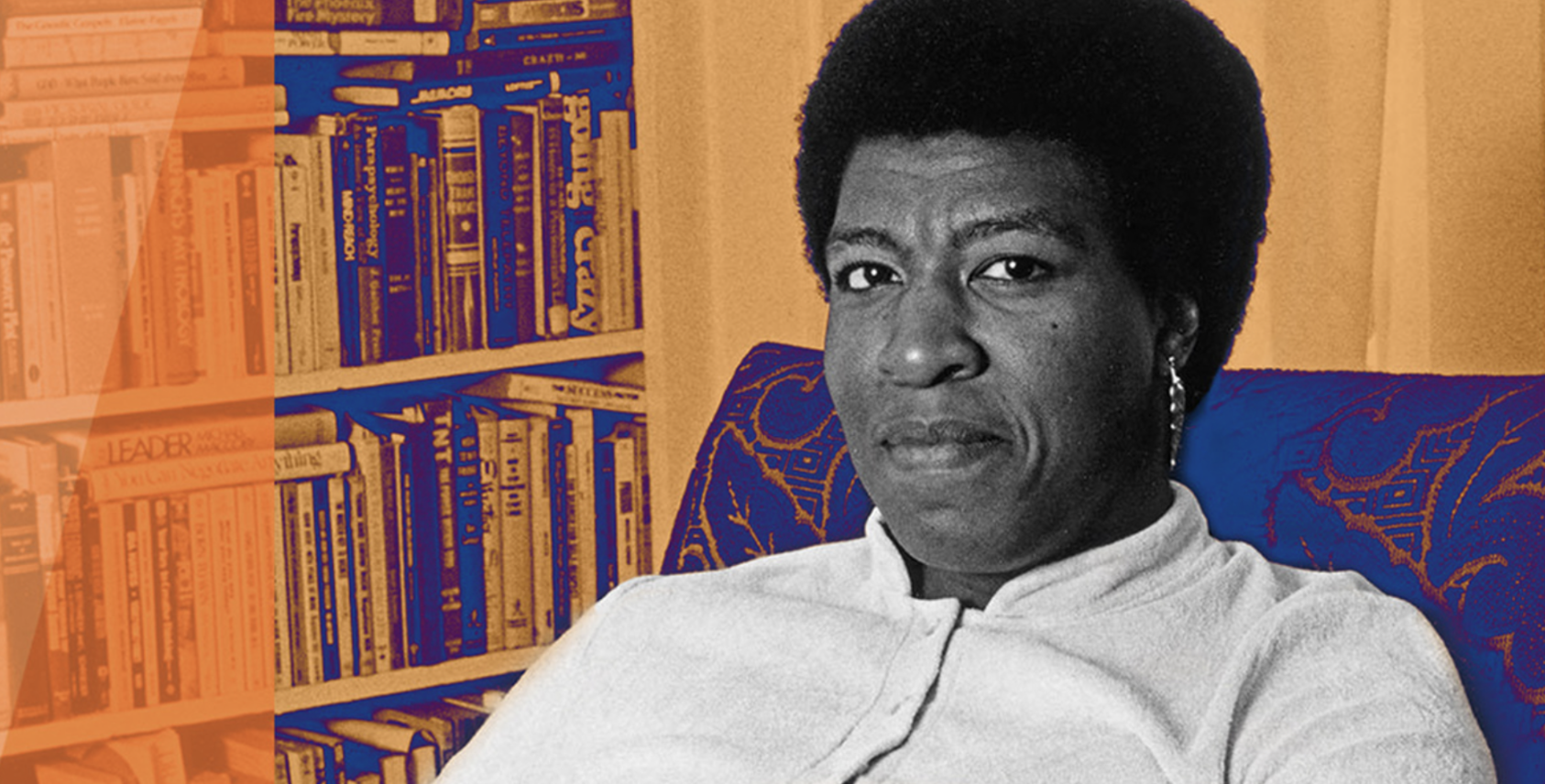
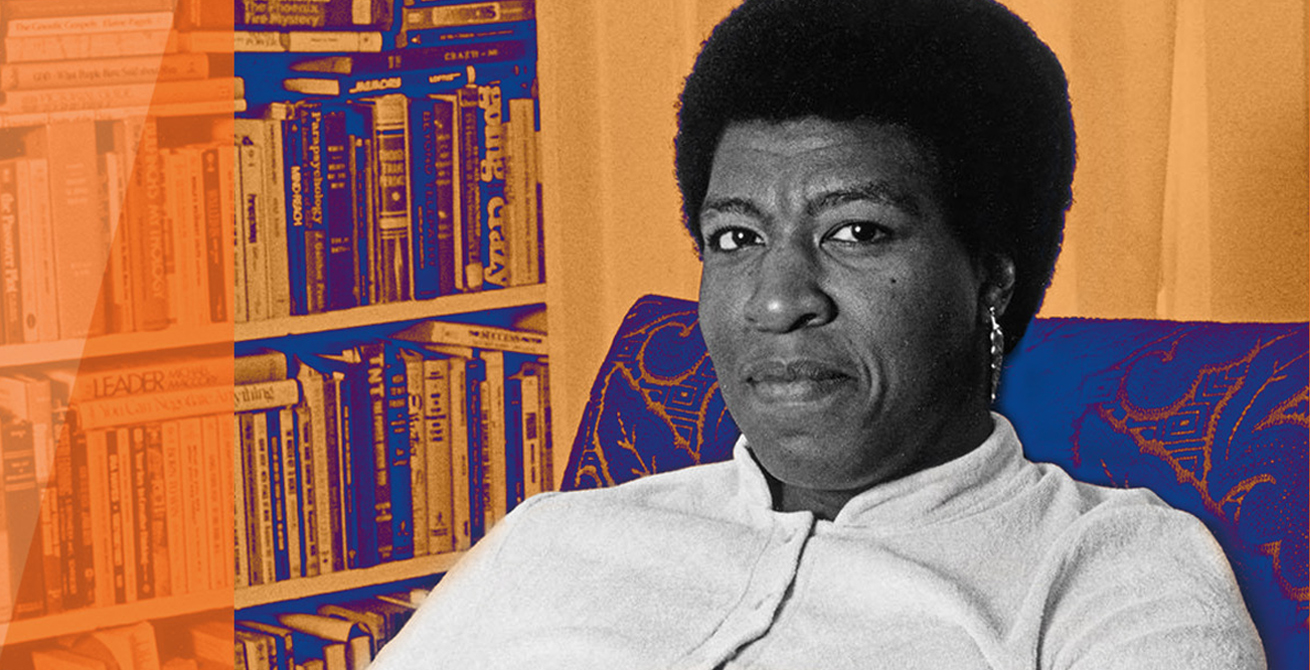
Octavia E. Butler: Award winning Black Afro-Futurist Sci-Fi Author and Storyteller: Image credit: Los Angeles Public Library.
In recalling this memory, I’m reminded of my first panel with CSS. It was at the 2024 Teens and Screens Summit, and I was speaking to the aspect of youth and parasocial relationships, and representation. That morning though, I was made aware via Facebook invites, that my paternal grandmother, my only black maternal relative related by blood, had passed away the night before, and I was invited to her funeral. Numbness was the only feeling I could align myself to. Our history was complex, going from seeing my grandmother and having more of a relationship with her throughout my entire childhood, than my own father, to losing that relationship as well, to embracing my identity. This created a whirlpool of confusion, hurt, and abandonment that was never resolved. Yet at this moment all I could do was feel sorrow for my grandmother. During the summit I met a woman who upon further dialogue, I found also came from Louisiana, and physically resembled my grandmother. After she inquired about my wellbeing as she could see something was off, she declared, “Well then this is your grandmother coming through me to tell you it’s okay, and that she loves you.” At first it was hard to hear, but looking back it was what I needed. For that comment prompted me to step back and honor my grandma, and the journey she navigated as a black woman from the south.
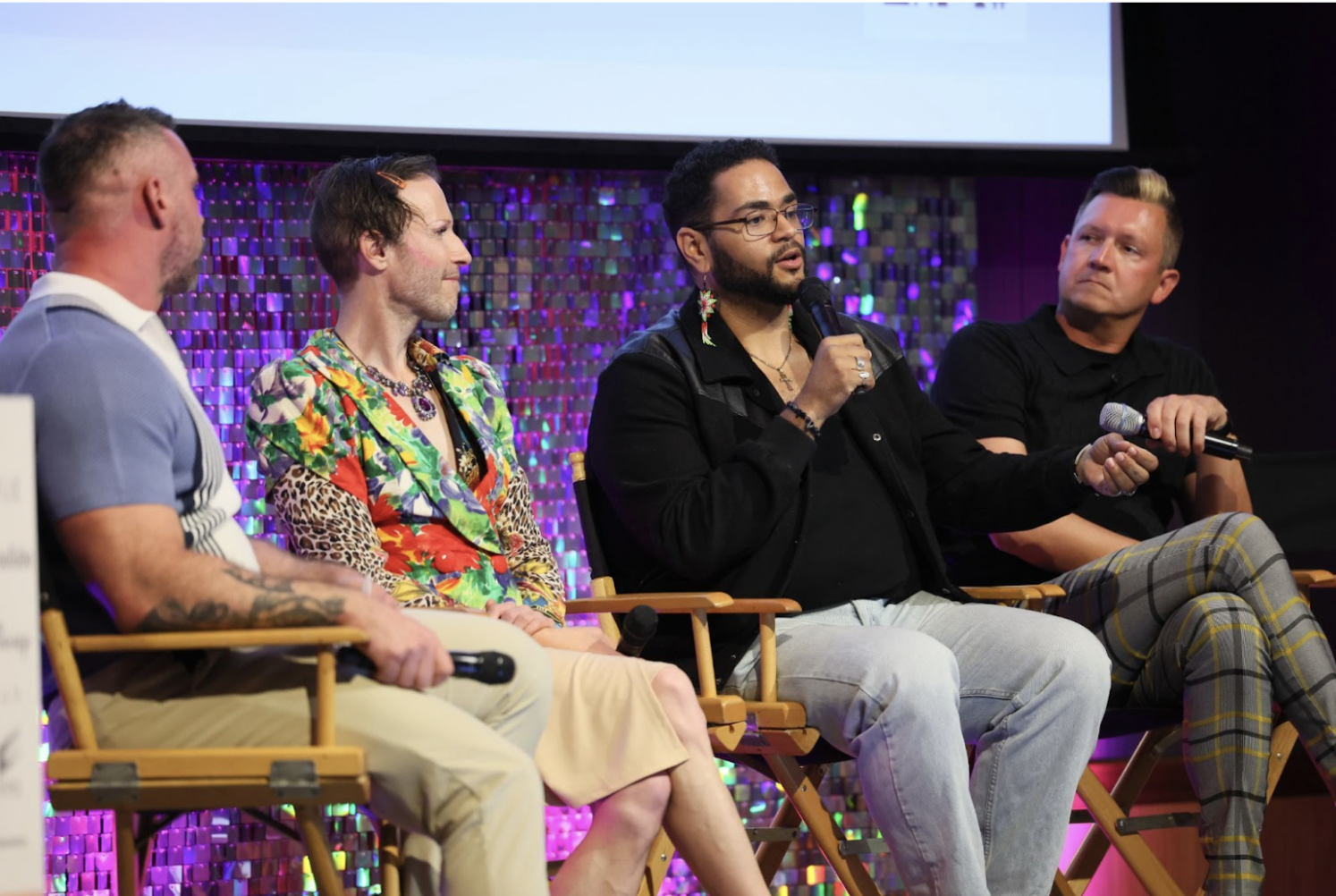
Iziaih speaking at the 2024 Teens & Screens Summit.
During the panel I shared what had happened, and at the same time took a chance to speak to the notion of representation, and the power it has to change lives. What came to me was the thought, “I wonder how my grandmother’s life would have been different if she could see herself represented, and the stories of her community represented in a way that showed them a reality sans the suffering, trauma, and crisis, and instead one with thriving, possibilities, and potential.” The ways she learned to survive the reality she was instead presented with may have harmed me, but I don’t believe it was her desire to do so, it was just the only way she was able to navigate her circumstances. Maybe if she had been allowed to dream, and thrive, and achieve her goals, she may have been able to be the grandmother I needed her to be. And so, stories aren’t just something to distract or fictitious tales of non-existent realities, they are one of the essential life forces fueling our species, helping usher in change, and impact that otherwise would never come about. They empower the powerless, educate the ignorant, and liberate the oppressed. Storytellers are superheroes who, through their efforts and tribulations, make a better world for all possible.
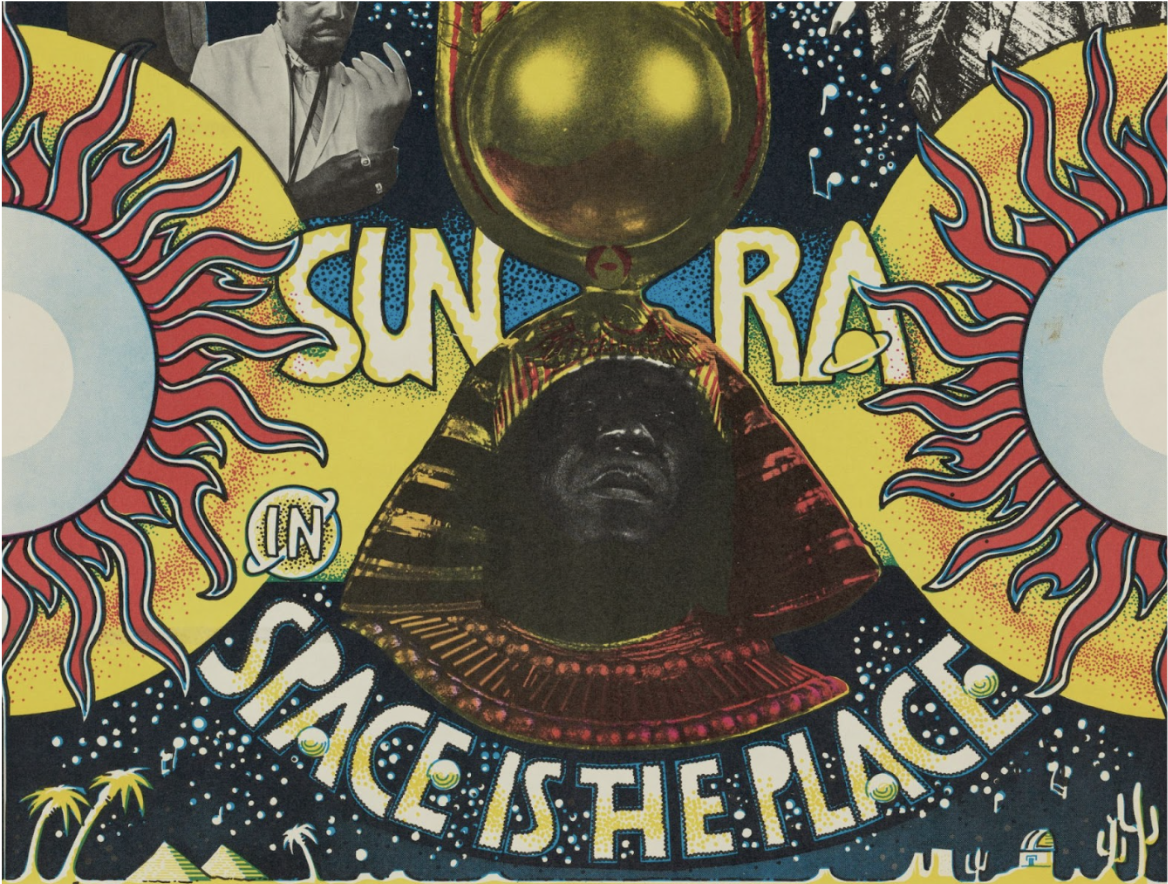
Sun Ra, iconic Jazz musician, artist, and performer. Image credit: National Museum of African American History and Culture.
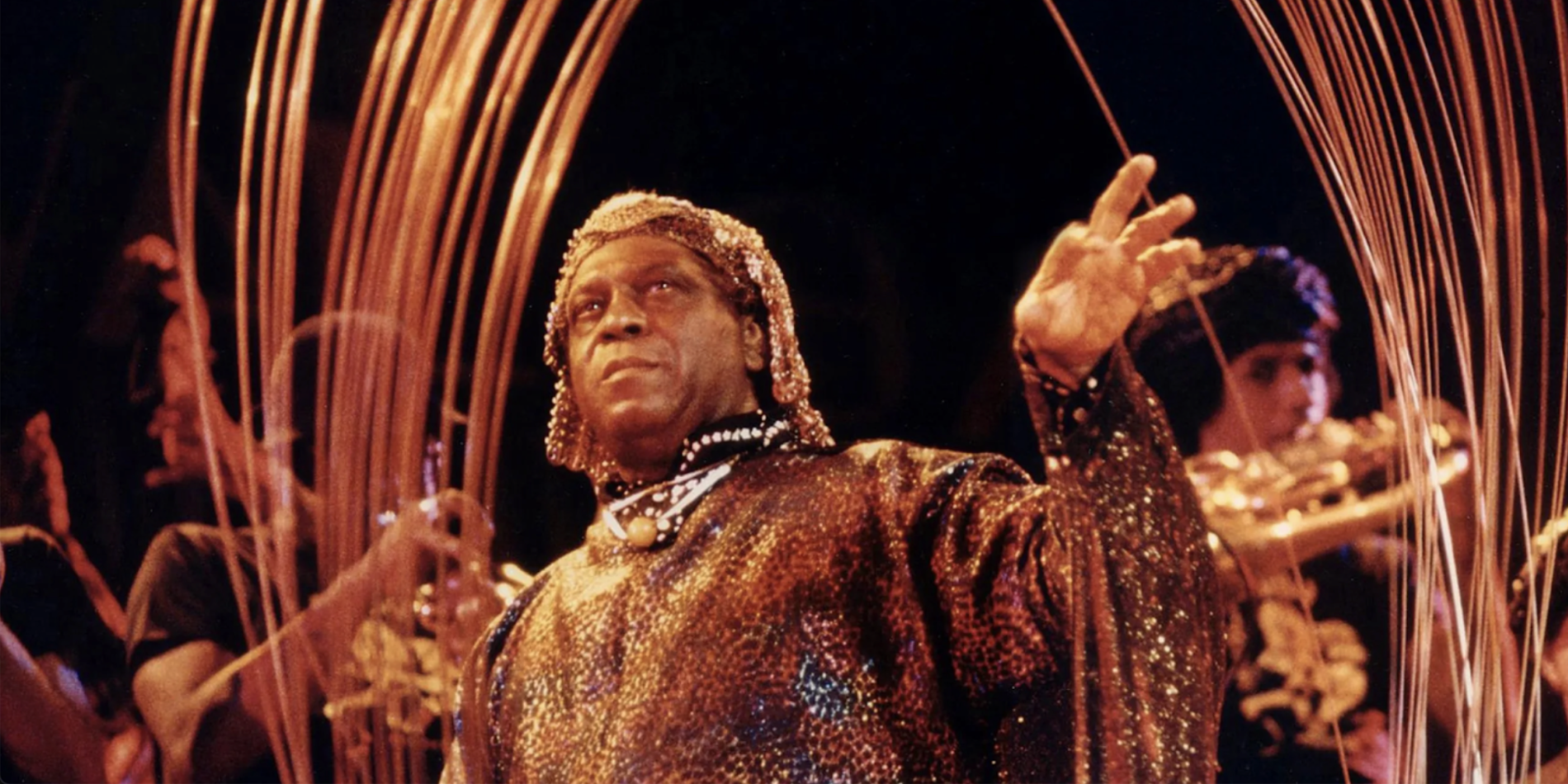
Sun Ra. Image credit: Leni Sinclair/Getty Images, 1978.
Iziaih Choquette (they/them) is an award-winning humanitarian whose advocacy and lived experience has supported collaborations with entities from the White House to the LA Times. Their work focuses on uplifting BIPOC communities, LGBTQIA+ communities, unhoused youth, and formerly incarcerated individuals; they are currently serving on three boards working to address issues faced by these communities. Iziaih is now the Co-Chairperson of HYFLA, Co-Founder of SPA 4 YASC, and most recently, the Community Empowerment and Engagement Director of the California Homeless Youth Project. Their mission is to create a new Youth Homeless system that gives shared power and access to all those it serves and employs.