
I for one am glad that Asian characters now have the opportunity to grace the big screen. Over the last several years, animation studios have started to introduce stories starring Asian leads with movies such as Turning Red, Over the Moon, and Kpop Demon Hunters. They have done an amazing job at highlighting the culture and traditions of the respective cultures they’re representing and are one further step to normalizing an Asian presence in animated TV.
However, with the new announcement of Forgotten Island, I believe and hope that animation can see a new side that they’ve never touched before: Southeast Asian and South Asian stories. Although Asians in American-made media already have little attention, movies and shows that do exist usually only highlight East Asian culture or have characters that are typically Chinese, Japanese, and Korean.
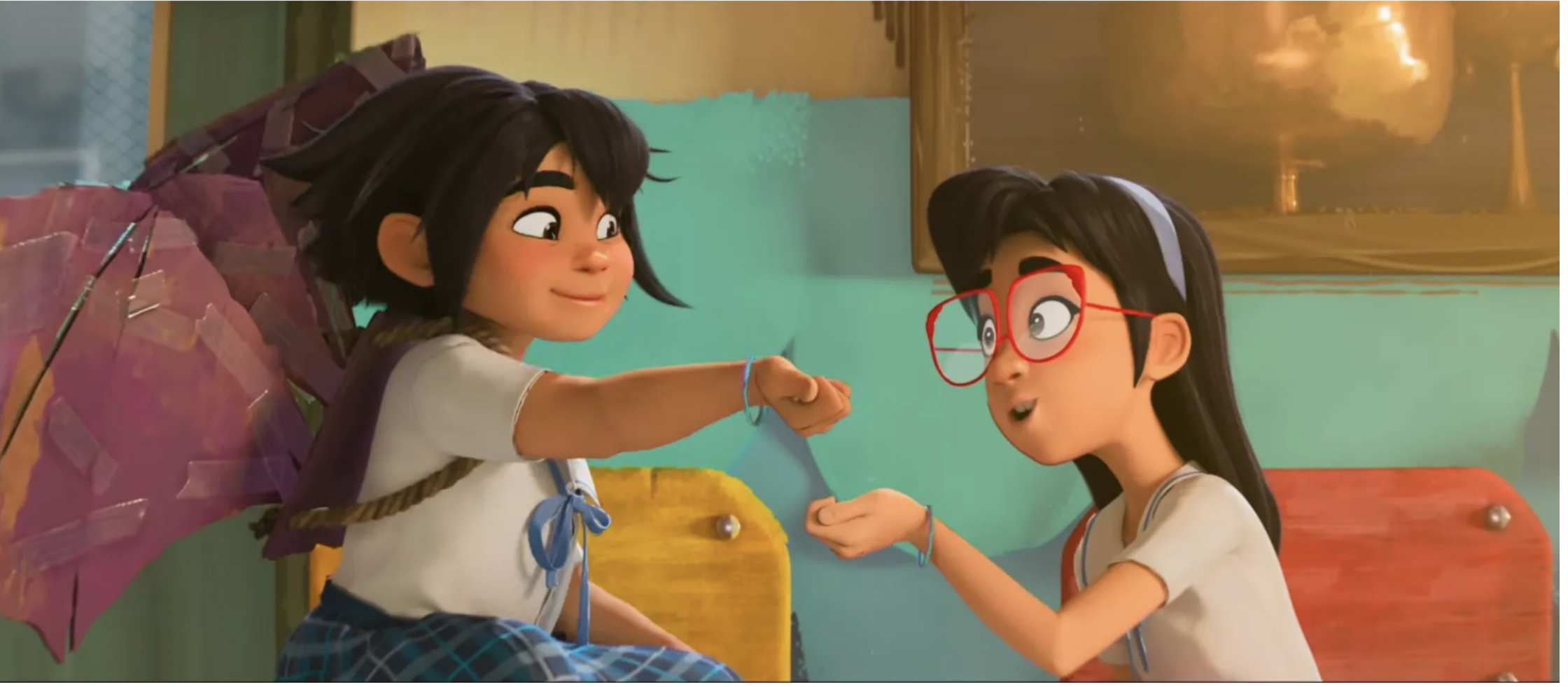
Image credit: Variety, 2026
It’s common for South and Southeast countries to have little to no representation at all in animation and this insufficiency doesn’t nearly showcase the whole scope of Asian identity.
It doesn’t help that the media portraying South and Southeast Asians often treats all countries the same.
Take Raya and the Last Dragon, a story that took inspiration from several Southeast Asian countries in creating the fictional land of Kumandra. Why is it when a movie focuses on East Asian countries, only one country is its focus, while Southeast Asian cultures are completely blended together? By doing this, it pushes the idea that Southeast Asian cultures are interchangeable and doesn’t recognize the nuances and distinctions that make these Southeast Asian countries unique. A similar phenomenon happens in Aladdin where the worldbuilding and character designs are a complete random merge of qualities from the Middle East and Asia. Although Aladdin was rightfully criticized for relying on stereotypes and not being culturally accurate, it’s time that we stop portraying non-East Asian as a country rather than a sub-region.
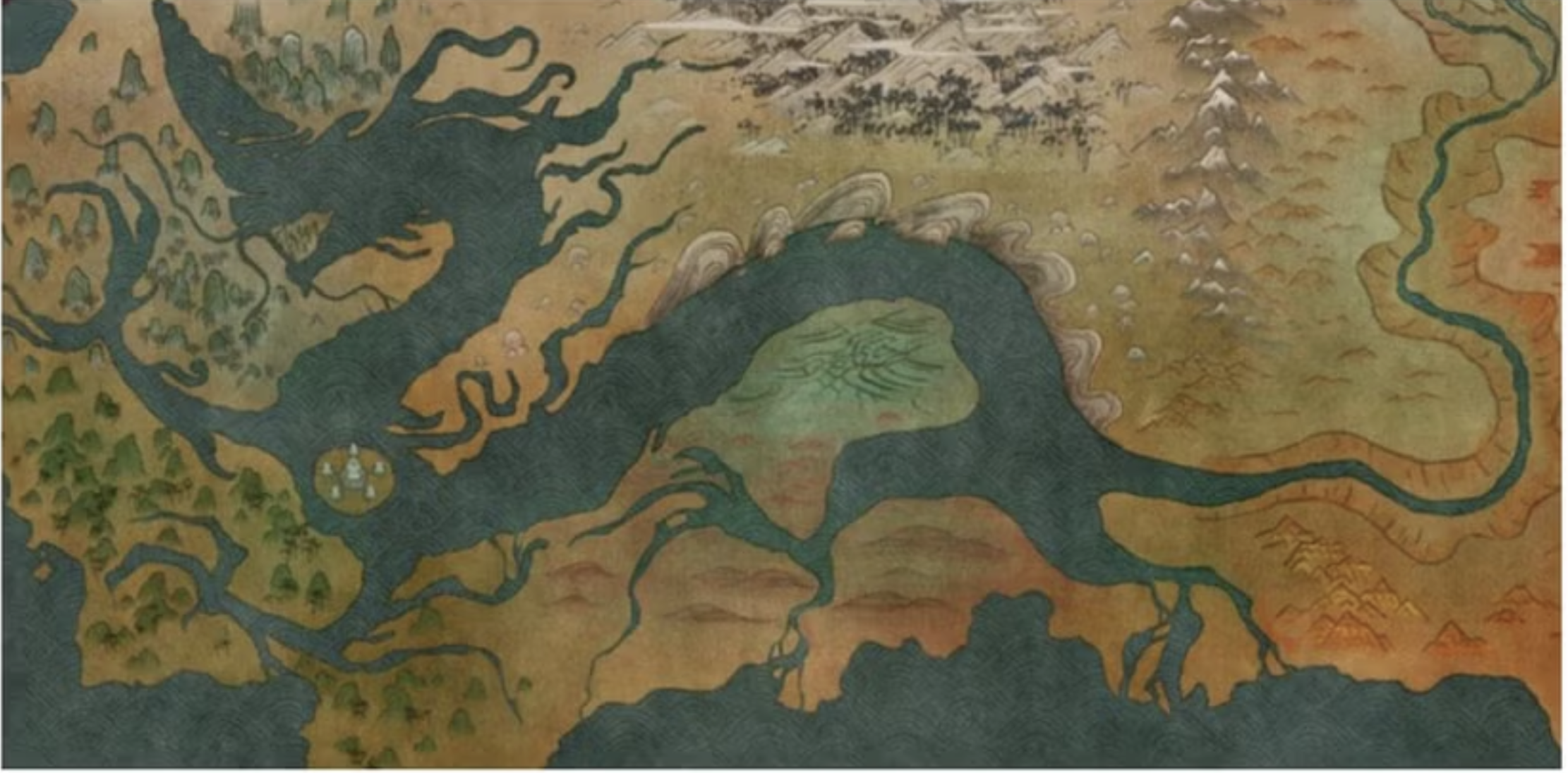
Image credit: CBR, 2021
That said, Raya and the Last Dragon does have a few great points going for it. It shows a landscape that viewers don’t usually see and a diverse range of skin tones that accurately represents its area of inspiration. It was also written mainly by Southeast Asian writers to ensure that the cultural references are accurate (even if they are taken from an excessively large pool).
Animated media like Avatar: The Last Airbender do a better job of using multiple countries as inspiration without overgeneralizing or dehumanizing. In Avatar, the screenwriters created 4 distinct nations each with their own separate governments, architecture, and cultural traditions with each based on a different country with other loose inspirations. What separates Avatar: The Last Airbender from movies like Raya and the Last Dragon is their sheer focus. Taking 1-3 countries instead of 11 tends to not only strengthen a media’s accuracy but its worldbuilding quality as well. This is not to say that every aspect of an animated media’s worldbuilding should be 100% accurate, not at all. But when you’re basing a setting off of a real place, especially one that has been historically ignored and excluded, it can often invalidate these overlooked populations and have real-world consequences in the portrayal of said population.
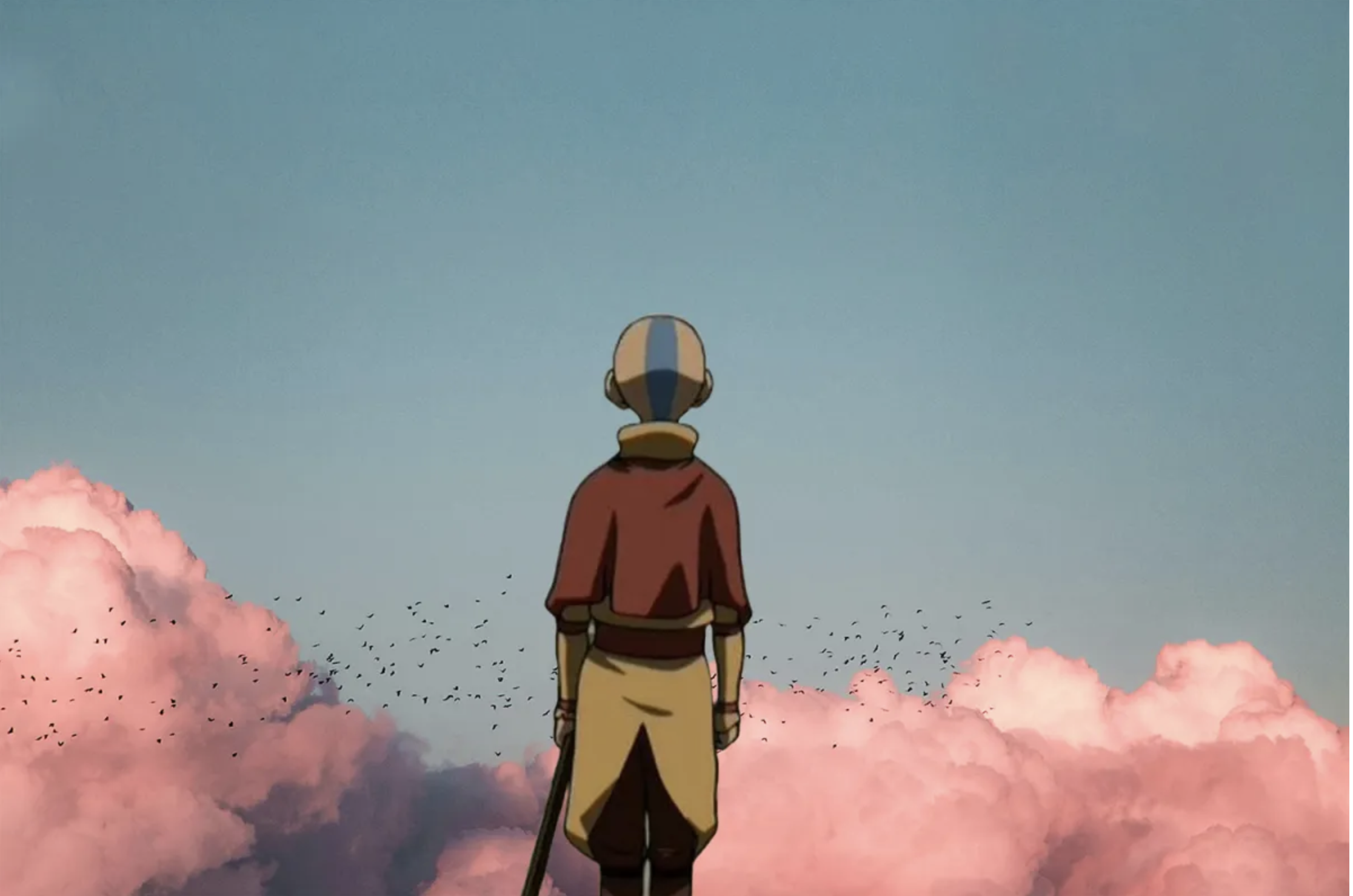
Image credit: Inside Hook, 2024
Forgotten Island takes this in a good direction by focusing purely on Filipino mythology and consisting of a mainly Filipino cast. For those who haven’t heard, it’s a new animated adventure film releasing in September of 2026 and I hope that people will tune in to an original Filipino-centered film.
It’s easy to brush off these concerns about racial presentation simply by saying ‘these animated movies are made for kids! It doesn’t need to be super accurate!’ However, kids notice more than parents think. When they’re young, everything is new to them so they can quickly notice patterns. For example, in earlier media, East Asians were always the nerdy side characters, the ones deemed unattractive for being addicted to schoolwork. This reinforced the stereotype that ‘all Asians are smart’ and pushed a box onto kids who felt they could only be valued for their intelligence and nothing more.
Of course, children can relate and root for characters with different appearances and backstories. But when they watch media and never see someone who looks and has the same culture as them, it can feel isolating. Just having one story they can view and say ‘they’re just like me!’ helps stop the feelings of prejudice that these populations have gone through.
During my time at the Center for Scholars & Storytellers, I worked in a team to investigate the effects of US Asian American portrayal on their own self-esteem and surprisingly, few of our survey participants said that it affected them, mainly because the existing representation was too inaccurate or little to relate to. I would love to see animation studios in the future, especially major ones, recognize the widespread audience they have and that focusing on a specific population doesn’t hinder its audience, it increases it.
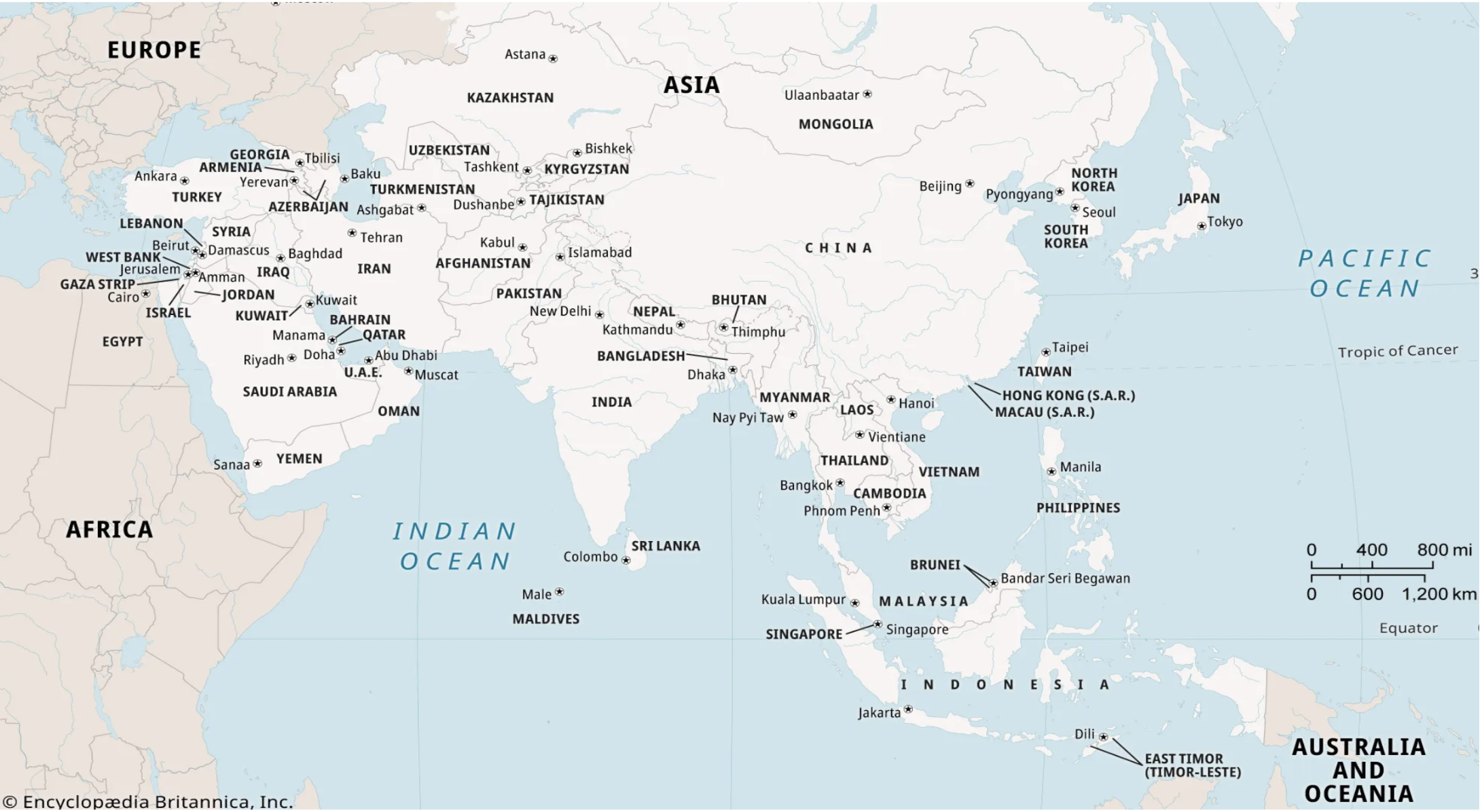
Image credit: Britannica, 2026
Vivian Zhao is a high school senior in the Bay Area and a former Youth Media Representation Program intern at the Center for Scholars & Storytellers at UCLA. She is currently a member of the Youth Alumni Council at CSS and Digital Creator Academy Council. She's an avid fan of animation (for all ages!) and loves to interact with media through drawing, video-editing, and analysis writing.