

Narrative Change & Social Impact Initiative (NCSI)
Portrayals of Systems-Facing & Opportunity Youth in Media
37.4% of all children experience a child protective services investigation by the age of 18.
Did you Know?
There are currently over 5 million opportunity youth – defined as young people between the ages of 16 and 24 who are neither enrolled in school nor participating in the labor market – or about one in nine members of this age group in the United States.

Why Stories Drive
Real Change
Systems-facing and opportunity youth are often missing from the screen, and when seen they are often incomplete or potentially harmful. Instead of diverse, compelling, and eminently watchable characters capable of joy and resilience, they’re often seen through a negative lens, framed as a charity case or the problem. That is, if they’re seen at all.
This offers a pivotal opportunity untapped: to write multi-faceted characters pulling themselves up by the proverbial bootstraps, where the conflicts are the circumstances and not the young people. Storytellers can add fascinating backstories and storylines while lifting up this marginalized population and creating more empathy from audiences at home.
After all, these are the stories viewers tune in for, ones about hope and resilience filled with conflict and persistence.
The Center for Scholars & Storytellers (CSS) at UCLA has launched an initiative to support both storytellers and systems-facing and opportunity youth. NCSI connects leading advocacy organizations representing child welfare, incarcerated, and opportunity youth to high-visibility media projects, ensuring authentic and empowering portrayals of this vulnerable and often forgotten population.
Language Matters
Use "Young Person in Foster Care" instead of "foster kid" or "foster child." Foster care is an experience, not an identity; this describes how they're helped, not who they are.
Say "Aging Out" instead of "emancipation" when referring to leaving care at 18-21.
Use "Family of Origin" or "Birth Parents" instead of "real parents." All parents in a young person's life are real.
These Characters could look like:
A 17-year-old in foster care who is still attending high school full-time; they might have lived in many houses by now or just moved into one.

A 20-year-old who aged out of foster care at 18, is now without supportive community, stable housing, and is not in school nor employed.
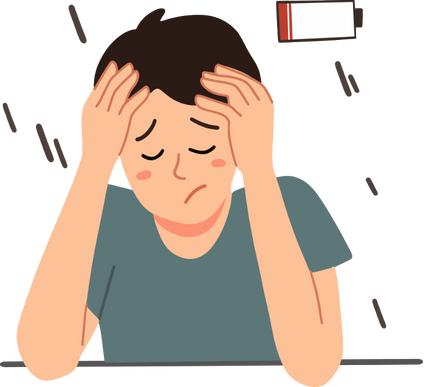
An unhoused 18-year-old who left high school before graduation and is unemployed and susceptible to negative influences.

A formerly incarcerated 22-year-old who has difficulty finding work due to a criminal record and is not enrolled in education.

NCSI Lived Expert Spotlight
-
![]()
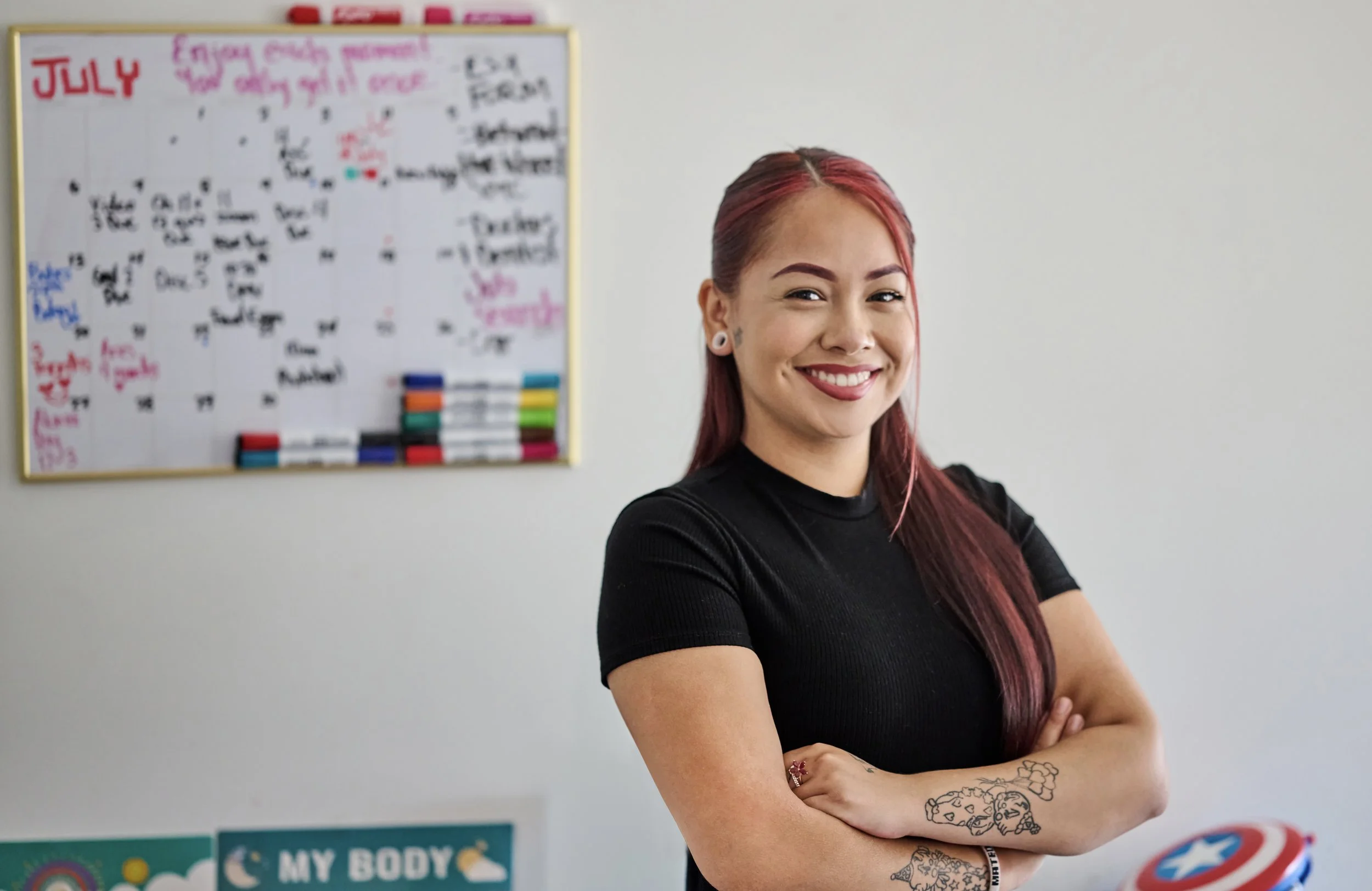
Arlena
Cosmetologist, Mom and Advocate
Arlena is a licensed cosmetologist, boy mom, and has recently stepped into a role at a community center, while pursuing an Associate degree in Psychology at Santa Monica College.Arlena's path to adulthood began when she aged out of her group home at 18 while pregnant with her son and she has since become a bridge given her lived experience in the foster care system, supporting other young people navigating similar transitions.
-
![]()
Iziko (They/Them)
Creative Artist
Iziko is a youth with intersecting identities who fell through many systemic gaps. They dedicate themselves to their LA County youth community, specifically aligning systems to meet their intersecting identity needs and representing the silenced with their voice. They believe in transforming future systems and enforcing cross-sector collaboration to achieve accountability.
They have been recognized by the City of Los Angeles and were featured in the LA Times: How many foster kids are homeless in L.A. County? Nobody knows.
-
![]()
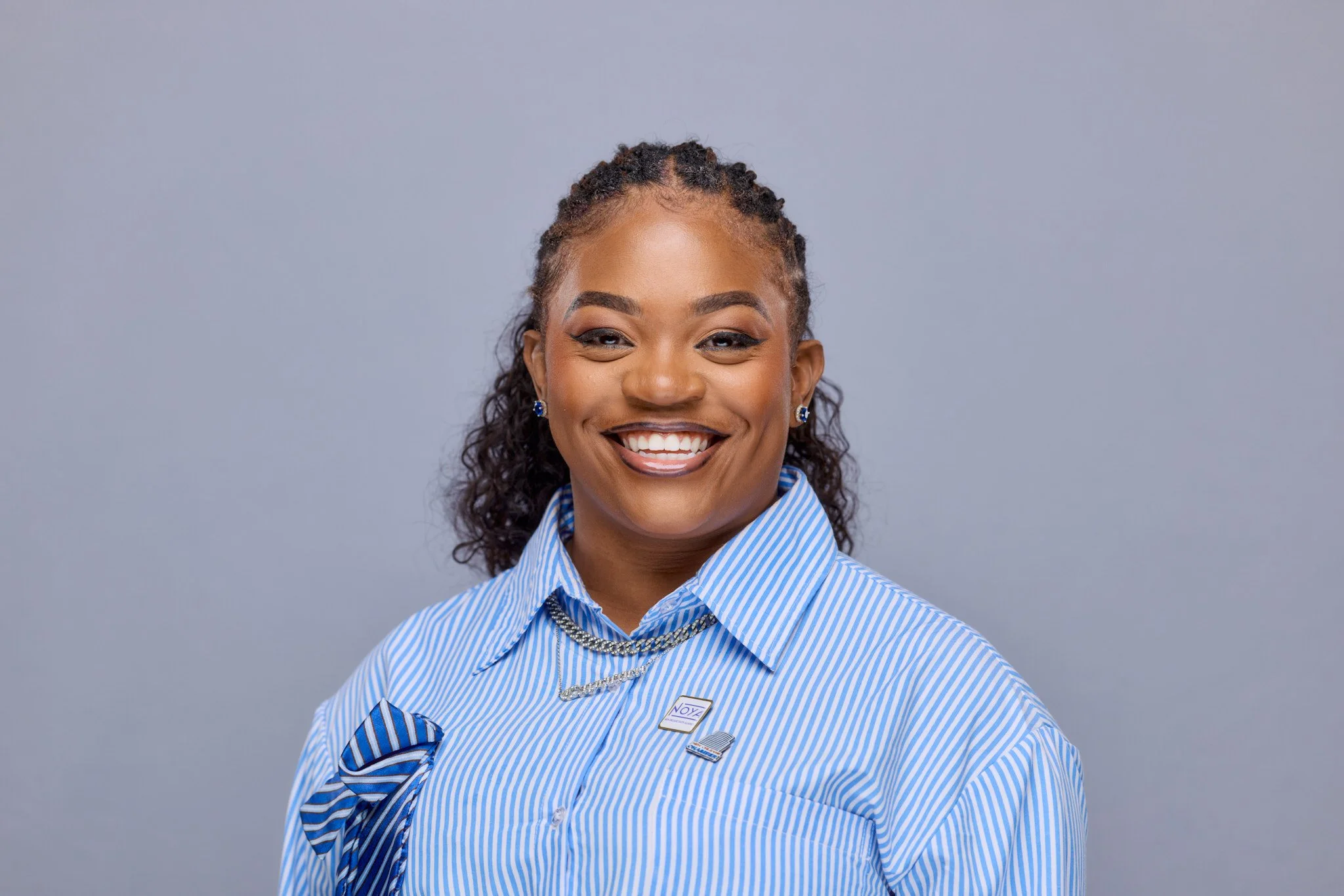
Jamya
Youth Advocate
As a youth-led advocate, Jamya uses her voice and lived experiences to help drive change, working alongside nonprofits and community organizations to push for more equitable systems. Jamya's advocacy centers on access, representation, and empowering young people to take ownership of their futures.

Toolkits, Tip Sheet, Resources