
Yearning for Yearning: What Teens Want From On-Screen Romance
As Asher Joseph dramatically stabbed his longtime crush in a country club ballroom under a hot spotlight, he experienced what many teens have now dubbed the yearn. Joseph, a CSS Youth Advisory Council member, was playing Jud in his high school’s production of “Oklahoma!” alongside his crush playing Curly.
“It was just the two of us on stage and I’m thinking this is the worst thing that's ever happened to me,” Joseph said. “Genuinely, I’m going to dream about this moment for the rest of my life.”
Along with many other teens on social media, Joseph describes himself as a “D1 yearner,” going home that night and writing a love letter for his crush. A yearner is someone who wants to experience longing and desire instead of short-term flings, Joseph said. Essentially, it’s the opposite of hook-up culture.
“It feels like a pit in your stomach that you want to be filled with love,” he explained.
Now, the term “yearning” is trending on social media with videos using phrases like “Help! I can’t stop yearning” or “A man who yearns is a man who earns” as the Jeff Buckley song “Lover, You Should Have Come Over” plays in the background.
The concept gained popularity alongside romantic slow-burn TV shows featuring younger characters, such as The Summer I Turned Pretty, Off Campus, Heated Rivalry, and Sterling Point, with the Google search interest for “yearning TV” rising 5000% in 2026.
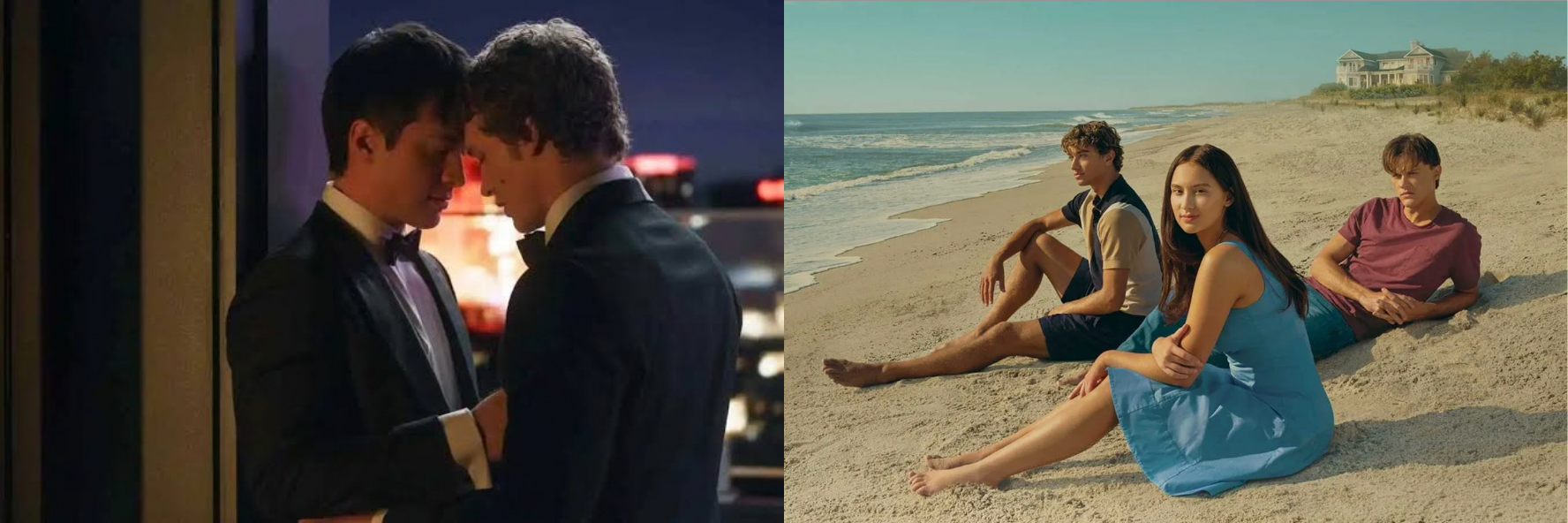
Left: Heated Rivalry, characters Shane and Ilya (Hudson Williams and Connor Storrie); Right: The Summer I Turned Pretty, characters Belly, Conrad, and Jeremiah (Lola Tung, Christopher Briney, and Gavin Casalegno).
The Summer I Turned Pretty is one of those shows that is rooted in yearning,” Joseph said.
According to Australian Tinder’s “Yearn Index,” 76% of young singles wanted to feel more “romantic yearning” in their relationships this year. The study revealed that this generation craves slow-burn connections and quite literally loves saying “yearn,” reflected in a 170% increase in the use of the word “yearn” in Australian Tinder bios since 2024.
“I think when you have a word that carries as much literary value as ‘yearning,’ it’s much more appealing and attractive to Gen Zers who are looking to define these complex emotions they're having in a way that they haven't been able to define them before,” Joseph said. “That’s what makes it so trendable.” While the term “yearning” has significantly grown in popularity, the concept isn’t new. The late 20th century saw many yearning, romantic-comedy movies like When Harry Met Sally, which follows two singles navigating their developing romance over 12 years.
In 2023, two years before the recent “yearning” trend took off, CSS conducted a study called “Nomance,” finding that 44.3% of teenagers surveyed actually thought romance and sex were overused in the media. Rebecca Benoit, manager of the CSS Youth Engagement Program, which shares teen voices with industry professionals, said that those in the program were initially confused about why young people were rejecting romance.
“This whole yearning trend is showing that teens are not averse to romance at all,” she said. “They just want romance that feels like a meaningful friendship, like a meaningful relationship in the same way that any person wants that in their real life.”
The romance in The Summer I Turned Pretty works because they have built a solid connection throughout their life, Benoit said. “They have that emotional weight.” Even releasing shows on a weekly basis can bring back that slow-burn effect, she added.
While yearning on TV can be romanticized as the embodiment of love and connection, it can become unhealthy in real life.
“I don’t know if yearning is super positive. For me it’s a really unhinged version of wanting something,” CSS teenage intern Denver Humphrey said. “Yearning comes from a place of longing, and I don't think longing is always a great thing – when you could be more open about how you feel and what you're thinking.”
The yearning in on-screen relationships like Heated Rivalry that takes place over 10 years doesn’t truly reflect a real-life relationship, Benoit explained.
“There’s something mature and confident about being honest and transparent,” she said. “In real life it’s definitely good to tell someone you like them. Romanticizing despair is probably not good, but it’s fun. It’s fun to watch.”
Overall, the online yearning trend suggests that many teenagers want to watch meaningful, slow-burn relationships represented on-screen. Relationships that are built through lingering glances, unconscious body language, and love letters never sent.