

TEEN Snapshot — FEBRUARY 2026
Gen Alpha and Gen Z: Evolving Masculinity
Through this original research series, CSS elevates youth voices and generates up-to-date, actionable, and thought-provoking research insights for storytellers seeking to authentically represent, positively impact, and capture the attention of young audiences. Learn more here.
View our press release for this project on UCLA’s newsroom here.
Key Takeaways
Across all age groups, joyful fatherhood was the single most requested portrayal of masculinity, with nearly 60% of young people specifically asking to see more fathers who openly show love and enjoy parenting.
Adolescents in the West are much more likely to want to see more caring and connected portrayals of men than adolescents in any other region.
Aligning with developmental norms, younger adolescents show the strongest demand for seeing caring fathers on screen, but even older adolescents clearly want to see more of them.
From Isolation to Connection
At the Center for Scholars & Storytellers (CSS) at UCLA, our answer to that sentiment has always been a resounding "we do."
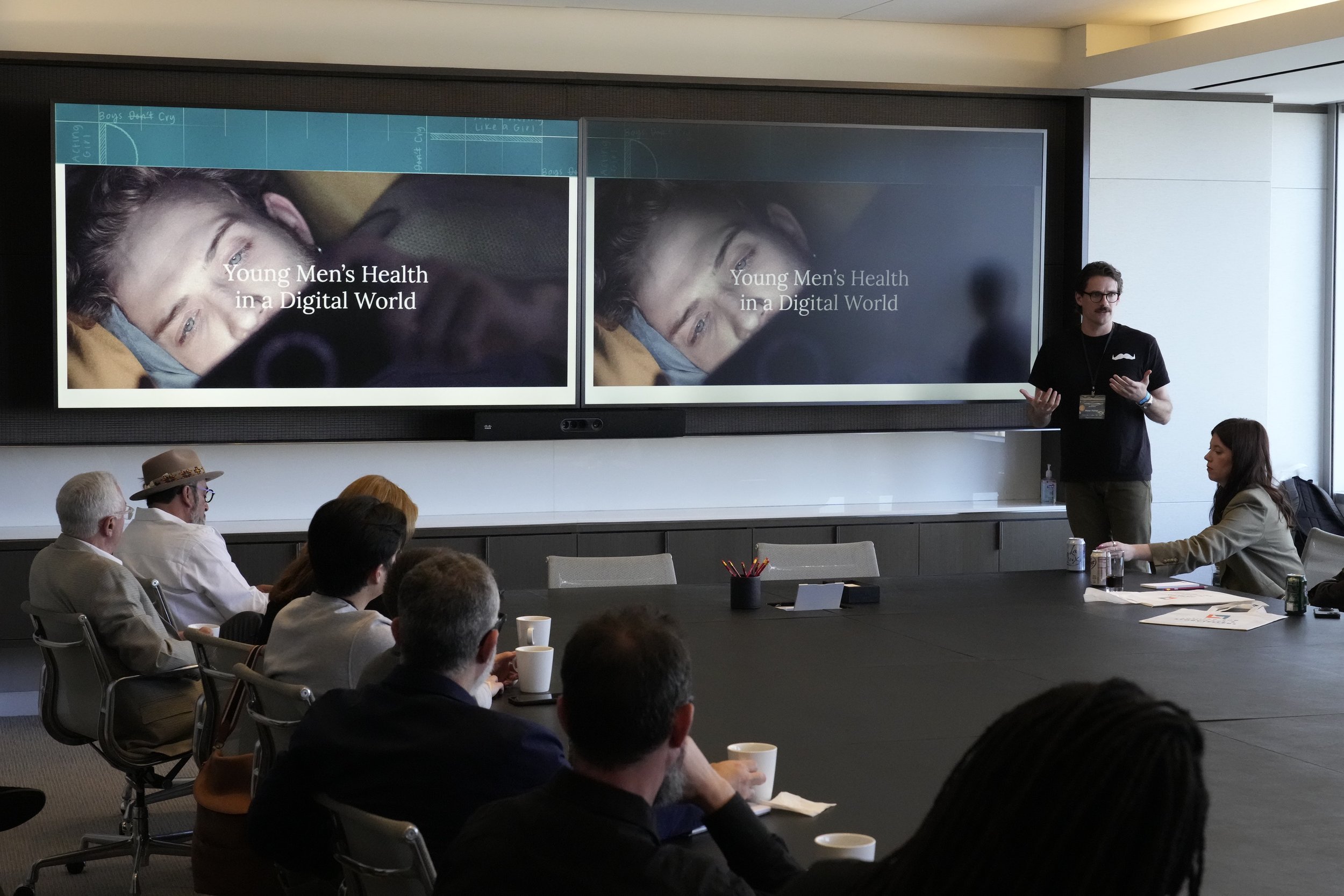
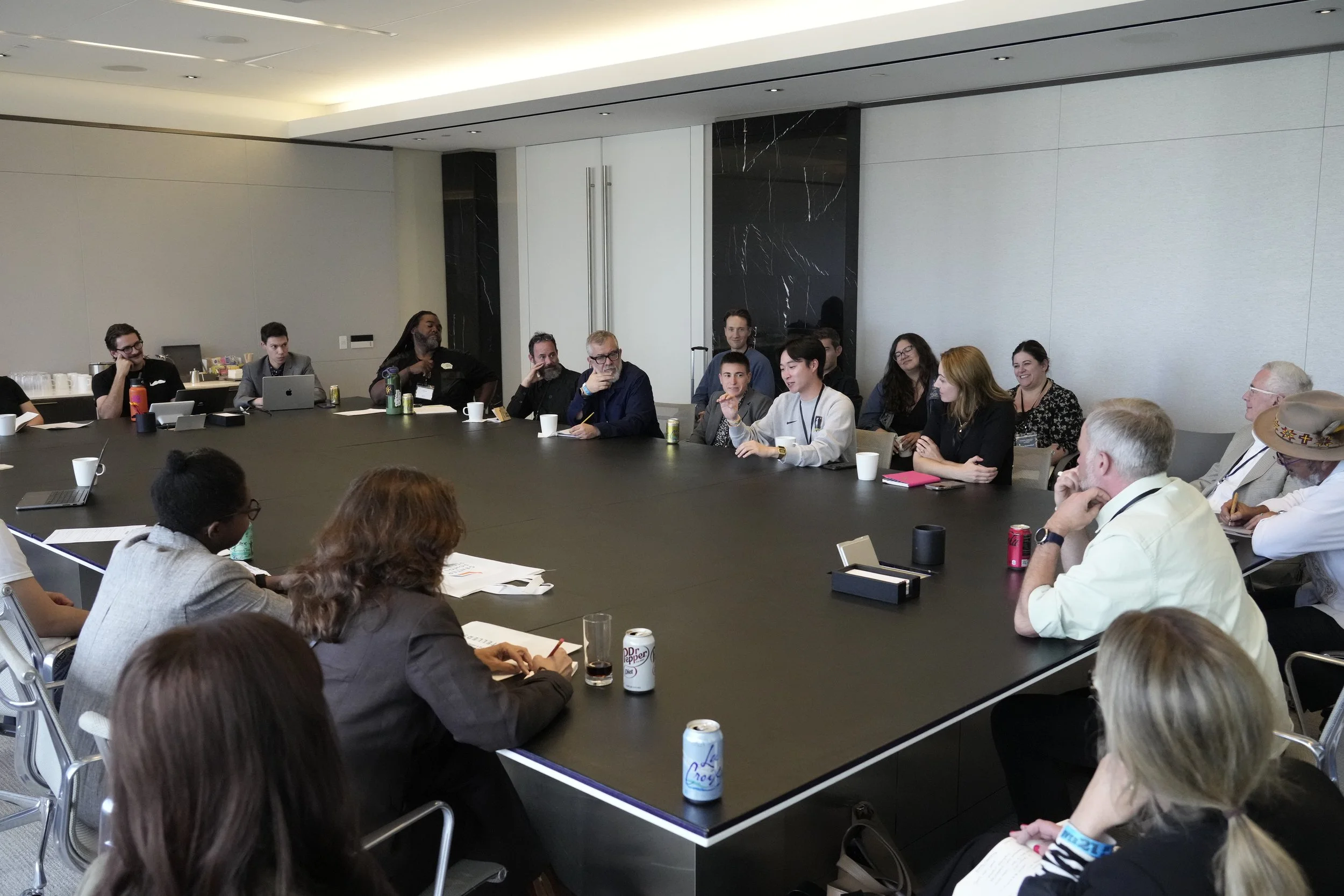
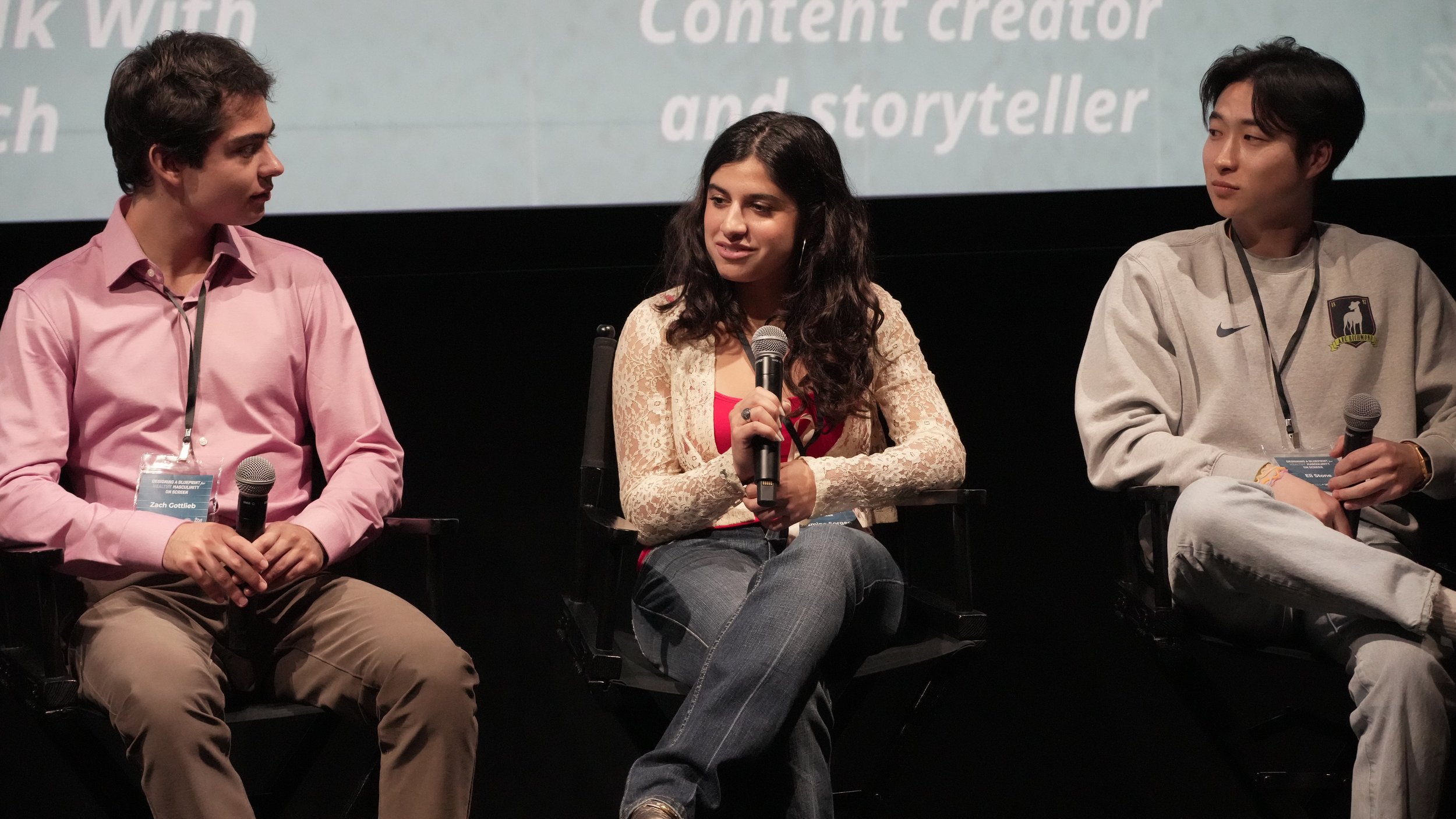
Since our inception, we have been dedicated to reimagining the representation of boys and men. In 2020, we released a foundational tip sheet for storytellers that has since moved from research labs into writers' rooms, directly influencing television production. Most recently, in 2025, we held a narrative change event in partnership with the CAA Foundation and Equimundo, bringing together legacy media creators, game developers, and social media influencers to begin a conversation about building a blueprint for the representation of an evolved masculinity.
Question asked to attendees: What surprised you most about the Designing a Blueprint event?

We believed that Gen Alpha and Gen Z cared about the representation of the men they were watching, but the data was sparse. Informed by our youth advisors and professional storytellers, we integrated targeted questions into our annual Teens & Screens survey, which was fielded in August 2025 and surveyed 1,500 adolescents (ages 10–24) across the United States. We present this data for publication in this report.
While we have been committed to this area since our founding, much of the rest of the world is only now waking up to the grave consequences of ignoring the male narrative. For years, creators and executives have operated under the assumption that young male audiences prefer, or at least expect, stoic, independent male heroes. The data from our 2025 snapshot shows that the next generation of viewers is eager for a version of masculinity rooted in connection. By centering emotional vulnerability and active parenting, creators have a rare opportunity to provide the authentic representation that young audiences are actively seeking.
Gen Alpha and Gen Z want to see more meaningful connections
(ages 10-24)
Adolescents Want To See Less vs. More On Screen
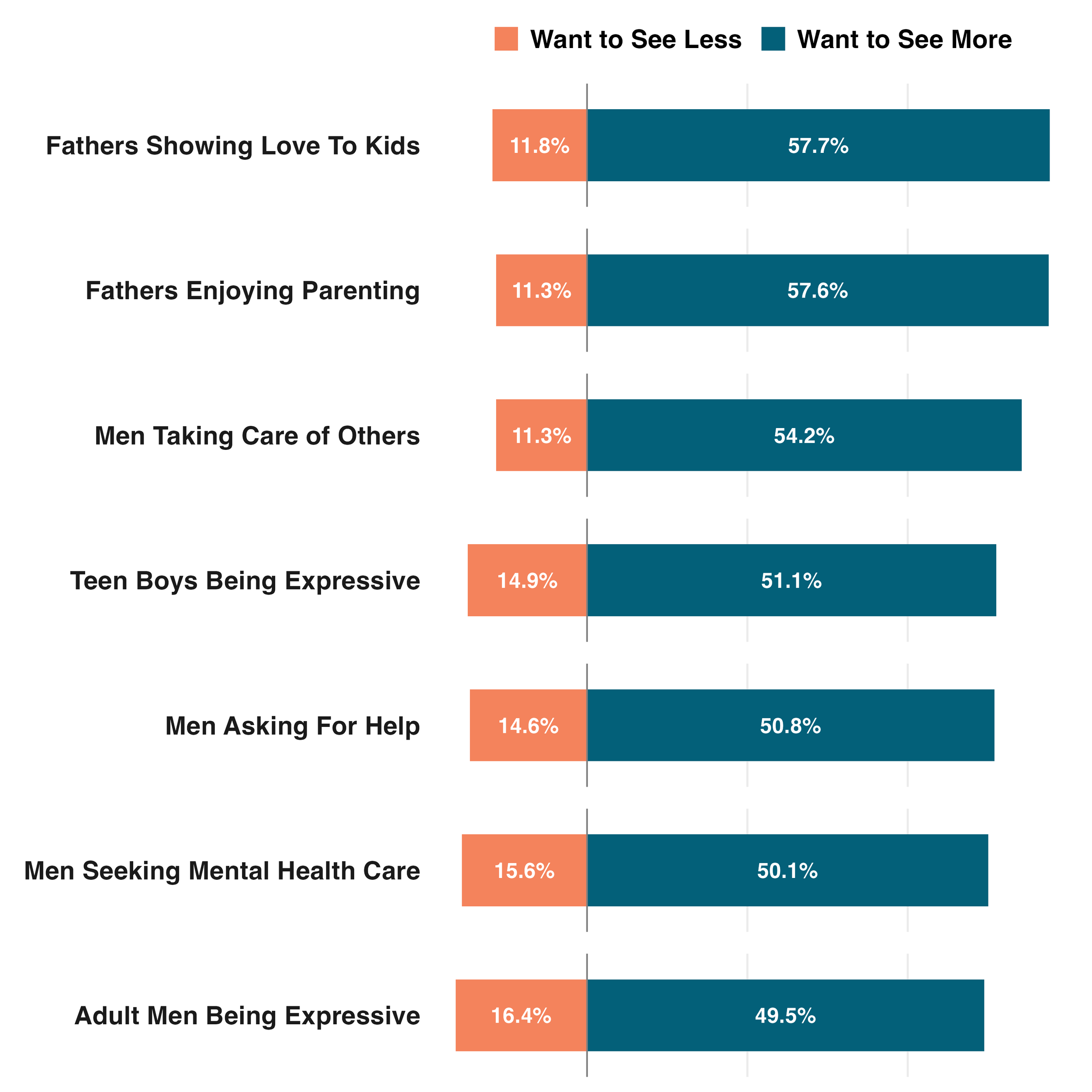

Note: Graph shows percentage of respondents who answered wanting to see More/ Much More versus Less/ Much Less meaninggul connections on screen.
The "Nurturing Father" is a Universal Priority
The most dominant finding of this study is a clear mandate for men in caregiving and affectionate roles. Out of all the portrayals we tested, seeing "fathers enjoying parenting" and "fathers showing love to kids" were the most requested portrayals.
Across the entire sample, the desire to see nurturing fathers versus not wanting to see them was nearly 5 to 1. This means that for every one person who might not be interested in these kinds of portrayals, five are actively asking for them.
While our survey specifically measured "fathers," the intensity of the response suggests a much broader hunger for connected masculinity. Young people are not just asking for better dads; they are asking for a reimagining of how men show up in the lives of others. Whether it is a father, mentor, coach, or teacher, the message from the audience was the same. We see this in popular shows such as Heated Rivalry and The Pitt.
For decades, media has relied on the "stoic provider" or the "distant hero" as the default for adult men. Our data shows that by primarily showing men in positions of power or physical strength, we ignore the roles that young people value, defined by empathy, patience, and emotional availability.

Recent research from the National Research Group (NRG) found that boys are significantly more likely to cite superheroes as their primary role models than realistic, community-based figures. This "hero complex" often leaves young males believing that their value is tied to extraordinary, unattainable power rather than everyday human connection.
When we tie this to our findings, where nearly 60% of young people are specifically asking for more fathers who enjoy parenting and show love, it becomes clear that the current media landscape has created a gap between the lone wolf warrior boys see on screen and the nurturing, connected men they actually crave in their own lives.
Young people are saying that they want to see more men taking care of others, enjoying parenting and asking for help. To ignore this mandate is to remain out of step with the 5-to-1 majority of the next generation of viewers.
The West Leads the Way
Our data shows that rural youth and youth in the Western U.S. are leading the demand for more emotionally connected male characters and seem to be craving this the most. In fact, the highest demand comes from the West. This group is also eager to see more men seeking mental health help.
Regional Comparisons
Adolescents Want To See Less vs. More by Region
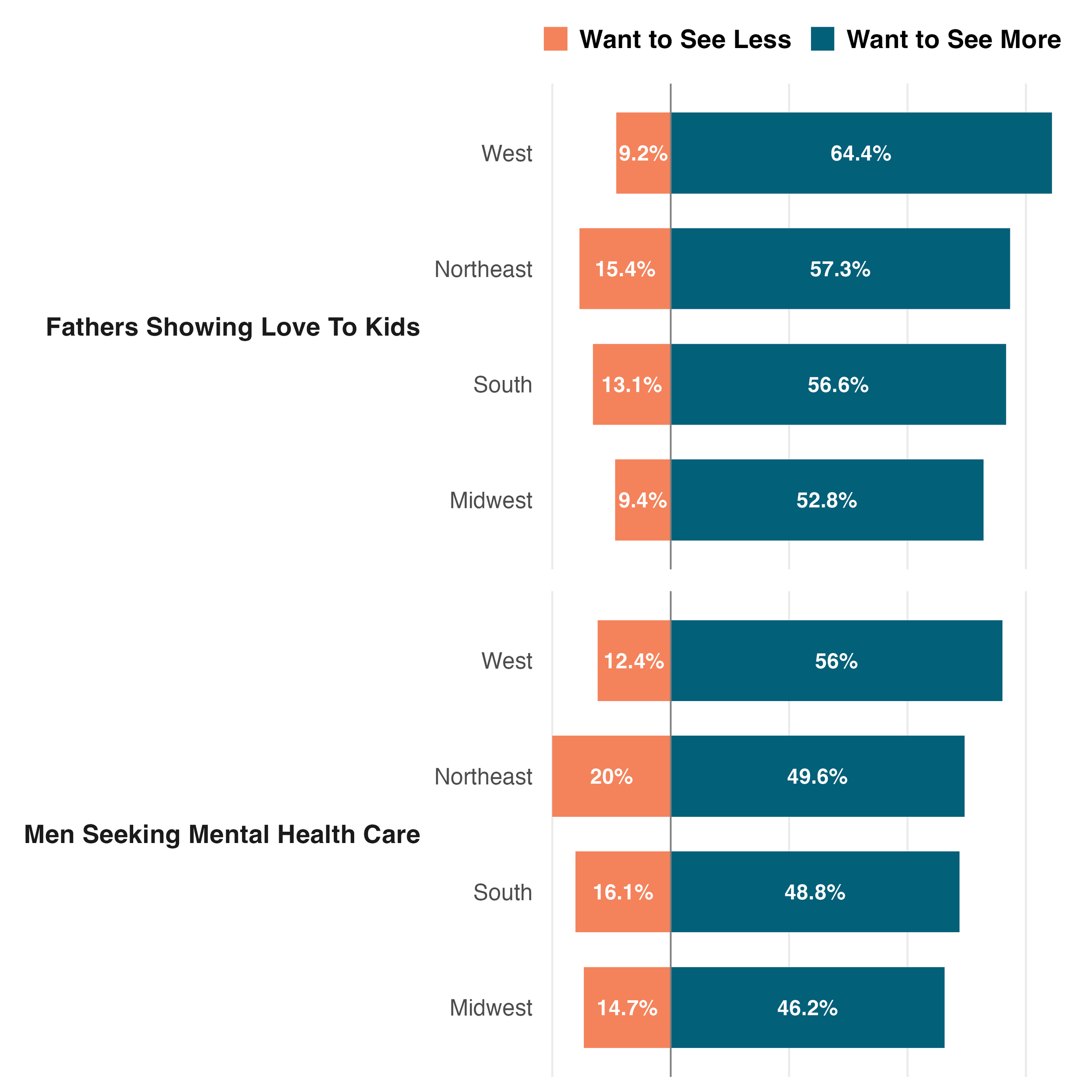

Note: Graph shows percentage of respondents who answered wanting to see More/ Much More versus Less/ Much Less representation by region.
Sociological research provides a nuanced picture of how family stress and fatherhood archetypes differ across these regions. Notably, the West's strong demand may reflect its demographic diversity and a cultural openness to redefining traditional gender norms. Meanwhile, even in regions with stronger traditionalist norms — such as the South and Midwest — the desire for nurturing male portrayals remains substantial, suggesting this is a truly cross-regional mandate from the next generation of viewers.
When digging into the developmental trends of our 2025 data, we found that for our youngest cohort (ages 10–14), the demand for affectionate fatherhood is an 11-to-1 ratio.
As youth move toward young adulthood (ages 19–24), the demand is not as strong. We asked our Youth Media Representation students, a diverse group of 13-18-year-old high school students from across the country, what they thought about this trend. One said:
Developmental Differences

What Kinds of Portrayals Young People Care About by Age
Adolescents Want to See Less vs. More By Age Group
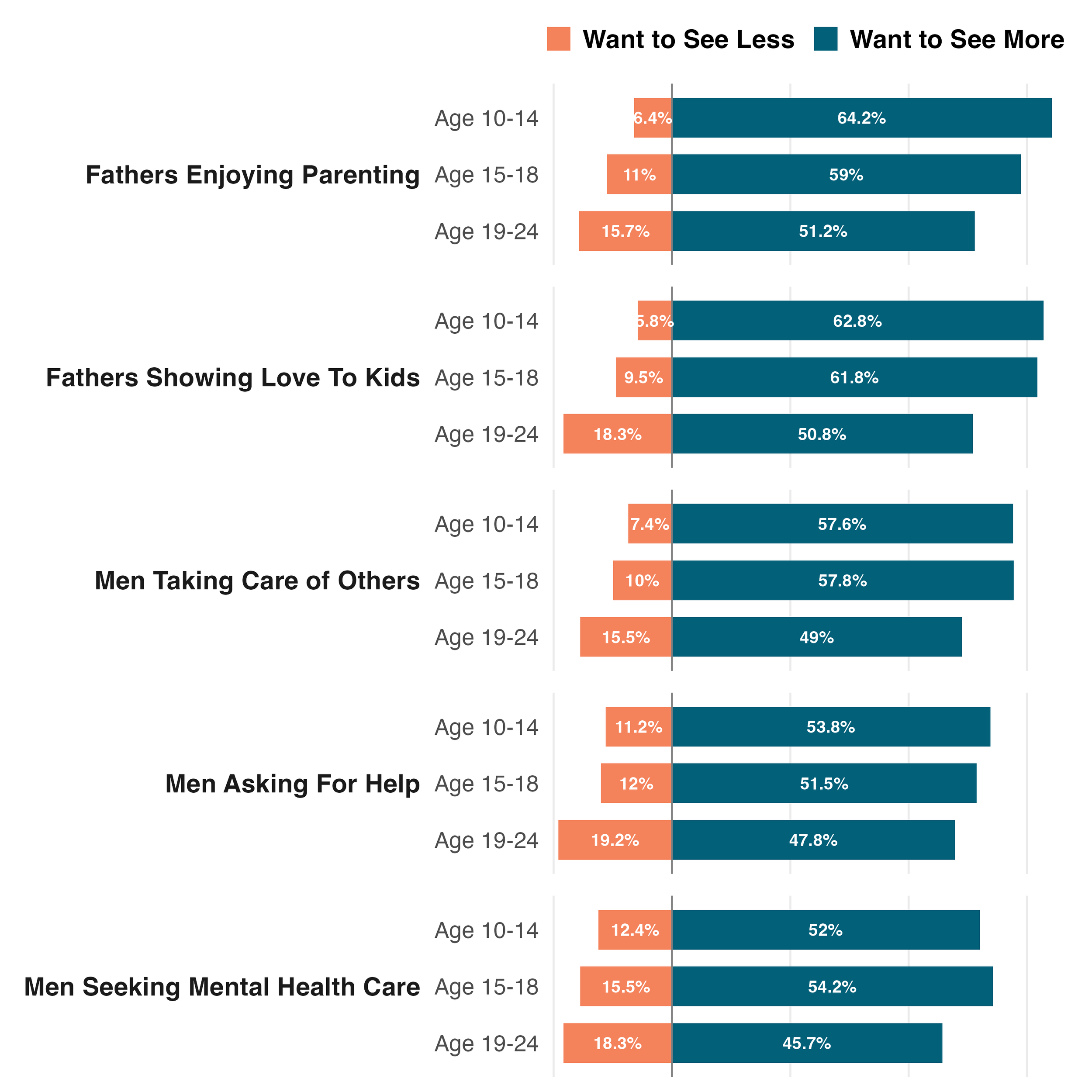
Note: Graph shows the percentage of youth who want More/Much More vs. those who want Less/Much Less by age group.

From a developmental perspective, this peak in early adolescence is no accident. Younger children and early tweens are still deeply rooted in their family systems, and their parents remain the primary scaffolding for their emotional world. Because they are still navigating the transition from childhood to independence, they have a high psychological stake in seeing fathers who are not just providers, but active, joyful participants in their daily lives.
As youth move into middle and late adolescence (ages 15–24), we see the expected developmental shift: their focus naturally migrates toward peers, romantic partners, and their own emerging identities. By young adulthood, the cumulative weight of societal feedback often reinforces the idea that vulnerability is a liability. However, the data shows that the desire for nurturing male figures does not vanish; it simply evolves. Even for the oldest group, the mandate remains nearly 3-to-1. While they are no longer looking up to a parent in the same way, they are looking for models of what healthy, connected adulthood looks like as they prepare to enter those roles themselves.


Conclusion
Gen Alpha and Gen Z are signaling a profound cultural pivot. They are not asking for the absence of strength, they are asking for a broader definition of it, one that includes the courage to care, the wisdom to ask for help, and the joy found in domestic life.
When 64% of men feel that "no one cares," a story that centers on a father’s love or a mentor’s vulnerability might just be the blueprint for the next generation of heroes. These have been drawn by youth themselves; it is now up to the storytellers to build it.
Authors
-

Yalda T. Uhls, PhD
Founder & CEO
-

Alisha J. Hines, PhD
Vice President, Research & Programs
-

Matt Puretz, M.A.
Senior Researcher
Acknowledgements
Many thanks to the members of the CSS team that made this project possible, including our Senior Marketing and Development Manager, Haidy Mendez, for designing this webpage. Our Senior Director of Projects, Nina Linhales Barker, our research assistant, Vahe Deverian, the members of our Youth Media Representation (YMR) group, our Youth Advisory Council (YAC) and finally, to each and every adolescent participant who took part in our survey.
Methodology
-
To gather participants for this study, CSS used the data collection platform Qualtrics. Data collection took place from August 13, 2025 toAugust 25, 2025. The final sample consisted of 1,500 U.S. adolescents, ages 10-24, with 100 respondents in each age cohort from 10 to 24. The racial demographics of the sample were closely matched to U.S. Gen Z racial and ethnicity demographics. For the exact racial breakdown, the adolescents identified as either White and/or Caucasian (48.0%), Black/AfricanAmerican (16.9%), Hispanic and/or Latino (12.7%), Asian/AsianAmerican (4.3%), Multiracial (13.9%), Indigenous or Native (2.5%), Middle Eastern/NorthAfrican (0.5%), Pacific Islander(0.7%), or “preferred not to say” and “prefer to self describe”(1.1%). One who selected more than one racial identity was counted as “Multiracial”. In terms of ethnicity, 25.4% of our sample identified as Hispanic or Latino and 74.6% did not. Regarding gender, 48.7% identified as a girl or woman, 49.6% as boy or man, 1.2% as nonbinary or gender nonconforming, and 0.5% chose to self-describe or preferred not to say. Geographically, we matched U.S.regional demographics with 38.1% of respondents from the South, 21.3% from the Midwest, 17.3% from the Northeast, and 23.2% from the West.
Looking at other demographics, 18% of participants reported having a physical or mental disability, while 74.4% reported not having one. In regards to sexual orientation, 15.5% of our participants identified as LGBTQIA+, while 5.5% said they were not sure and 1.9% preferred not to answer. Specifically, the majority of respondents identified as heterosexual/straight (74.9%), followed by bisexual (9.8%), not sure yet (4.0%), homosexual/gay/lesbian (2.8%), asexual (2.3%), or pansexual (1.7%), while some participants selected prefer not to say (2.8%) or prefer to self describe (1.8%).
We also asked participants to report their income level by placing their family’s financial situation from 0 = “Struggling to make ends meet”to 100 = “Always able to buy everything we want”. The average participant ranked at 61.2 out of 100. Breaking the 100-point scale down into quintiles, 7.7% placed their family in 0–20 (financially strained/low-income), 13.4% in 21–40 (just getting by/lower-middle), 23.5% in 41–60 (average/middle), 32.8% in 61–80 (comfortable/upper middle), and 22.7% in 81–100 (very comfortable/affluent). Note that self report of income by adolescents does not necessarily match actual income levels.
-
Materials and Procedure: CSS created and programmed the survey questions prior to data collection, using some questions from previous years to track year-over-year changes, and adding new questions based on relevant trends and theories regarding adolescents and media. In instances where adolescents may not find relevance or have experience to the questions being asked, the options “not sure" and “not applicable" were included to maintain accurate data. Prior to launch, the full survey was piloted by CSS' Youth Media REPresentation (YMR) Program, made up of 25 adolescents. After survey finalization, participants were gathered via the data collection platform Qualtrics, which recruited to fill CSS' quotas for gender, age, race/ethnicity, and U.S. region. Participants who consented and matched selection criteria were presented with the full survey on Qualtrics’ user interface, on any device with internet access. The survey took approximately 15 minutes to complete. The dataset was then cleaned and analyzed.
-
For quantitative analysis, descriptive statistics were calculated about all survey questions. Select questions were then analyzed further for demographic differences, including age groups, race, region, etc. These findings were also compared to previous Teens & Screens datasets. Quantitative analyses were conducted with the Statistical Package for the Social Sciences Version 29 (SPSS V29) and R(version 4.4.1).
-
All data from this survey is self reported, which can lead to response bias or social desirability bias. The reported survey data here does not attempt to explain any causal relationships. Data from 2022 had a smaller sample size than 2023, 2024, and 2025, which all had between 1500 and 1644 participants.